Introduction
Quality sleep is the foundation of overall health, yet many Australians struggle with fatigue, low concentration, and reduced energy despite spending enough time in bed. Persistent sleep issues may indicate an underlying sleep disorder. A sleep test can uncover the root cause, allowing specialists to provide personalised treatments that improve both sleep quality and daytime energy, positively impacting your health and wellbeing.
What is a Sleep Test?
A sleep test, or sleep study, monitors your physiological activity during sleep to detect irregularities that could indicate a disorder. Common parameters measured include:
- Brain activity (EEG)
- Eye movement
- Heart rate and rhythm
- Breathing patterns
- Blood oxygen levels
- Muscle activity
These measurements help specialists diagnose conditions such as sleep apnoea, insomnia, restless leg syndrome, or narcolepsy, allowing for tailored treatment plans that improve rest and energy levels.
Preparing for Your First Sleep Study
Proper preparation helps ensure comfort and accurate results:
- Maintain a regular sleep routine in the days leading up to the study
- Avoid caffeine, alcohol, or sedatives on the day of testing
- Wear loose, comfortable clothing
- Bring personal comfort items, such as pillows or blankets
- Follow your doctor’s instructions regarding medications
Being prepared reduces anxiety and ensures the monitoring equipment functions correctly.
In-Lab vs Home Sleep Studies
In-Lab Polysomnography (PSG)
- Conducted overnight in a sleep clinic
- Comprehensive monitoring of brain, heart, breathing, oxygen, and muscle activity
- Supervised by trained technicians
- Recommended for complex or unclear cases
Home Sleep Tests
- Conducted in your own bed
- Focuses on breathing, oxygen levels, and heart rate
- Convenient and less intrusive
- Ideal for suspected sleep apnoea
Both options are effective, with your sleep specialist guiding the most suitable choice for your symptoms and lifestyle.
What to Expect During the Night
In-Lab Study
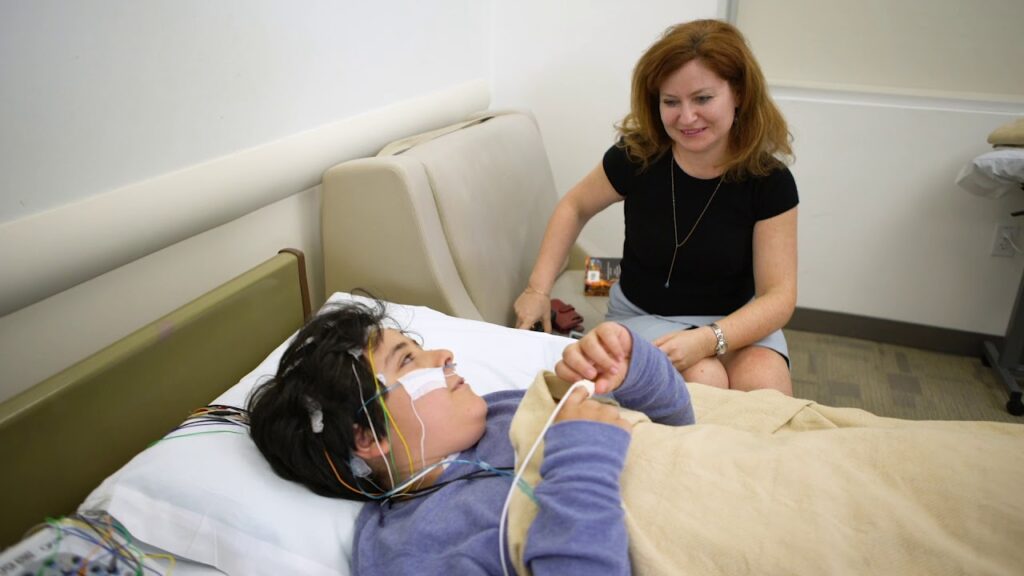
- Sensors and electrodes attach to monitor brain waves, heart rate, and muscles
- Nasal cannula and finger sensor track breathing and oxygen levels
- Technicians available for adjustments or questions
- Environment designed to mimic a natural sleeping setting as much as possible
Home Study
- Wearable monitoring devices record sleep data in your usual environment
- Simple setup with guidance from your clinic
- More natural sleep experience compared with in-lab studies
Most patients find they can sleep reasonably well despite the monitoring equipment.
How Sleep Test Results Are Used
After the study, a sleep specialist analyses the data to:
- Diagnose specific sleep disorders
- Recommend treatment plans such as CPAP therapy, lifestyle changes, or medication
- Evaluate treatment effectiveness over time
- Provide a detailed report for ongoing monitoring and care
Accurate diagnosis allows interventions that improve not only sleep quality but also daytime energy, mood, and overall health.
Benefits and Potential Discomforts
Benefits
- Personalised treatment for sleep disorders
- Improved sleep quality and daytime alertness
- Enhanced concentration, energy, and productivity
- Reduced risk of long-term health issues like heart disease or diabetes
- Greater awareness of personal sleep patterns
Potential Discomforts
- Mild skin irritation from electrodes
- Minor nasal discomfort from breathing sensors
- Temporary sleep disruption from monitoring equipment
Modern sleep studies are more comfortable and less intrusive than older methods, making them easier to complete successfully.
Patient Experiences
- “The home sleep test was simple to set up, and I slept better knowing I was being monitored.”
- “I expected the in-lab study to be uncomfortable, but the staff were supportive, and I slept quite well.”
- “The results allowed my doctor to adjust my treatment, and now I have more energy and focus during the day.”
Hearing about other patients’ experiences can help ease first-time anxieties and prepare you for a smoother night.
Conclusion
Sleep tests are an essential tool for diagnosing and managing sleep disorders. Whether performed at home or in a clinic, modern studies are accurate, comfortable, and highly informative. By understanding what to expect, preparing properly, and following specialist guidance, you can improve both your sleep quality and daytime energy, leading to better health and overall wellbeing.
FAQs
1. How can a sleep test improve my daily energy?
By diagnosing underlying sleep disorders such as sleep apnoea or insomnia, a sleep test allows specialists to recommend targeted treatments. Improving sleep quality enhances daytime alertness, concentration, and overall energy levels.
2. Will I be uncomfortable during a sleep study?
Most patients experience minor discomfort from electrodes or breathing sensors. Modern equipment is minimally invasive, and technicians assist with adjustments, allowing most people to sleep adequately.
3. How should I prepare for a sleep study?
Maintain regular sleep routines, avoid caffeine or alcohol, wear comfortable clothing, and bring personal items like pillows. Following your doctor’s instructions ensures accurate readings and a smoother experience.
4. Are home sleep tests reliable?
Yes. Home sleep tests effectively monitor breathing, oxygen, and heart rate, providing accurate data for conditions like sleep apnoea. While less comprehensive than in-lab studies, they are convenient and reliable for many patients.
5. How long does it take to get sleep test results?
Results are usually available within a few days to a week. Your sleep specialist will provide a detailed report explaining sleep patterns, diagnosed disorders, and recommended treatments to improve sleep quality and overall health.