The moment you are diagnosed with cataracts, the conversation quickly shifts from “what is happening to my eyes” to “how do I want to see for the rest of my life?” In Australia, cataract surgery is one of the most common and successful procedures performed today. However, the financial layout and the visual outcome are heavily dictated by a single decision: the type of Intraocular Lens (IOL) you choose.
Understanding Standard vs. Premium Lenses: How Your Choice Impacts Cataract Surgery Pricing is essential for any patient navigating the Australian healthcare system. Whether you are leaning toward the public system or seeking private specialist care, the lens technology you select acts as the primary lever for both your out-of-pocket expenses and your post-operative freedom from glasses.
See more: SMILE Laser Surgery vs LASIK: Which Vision Correction Is Better for You?
What are Intraocular Lenses (IOLs)?
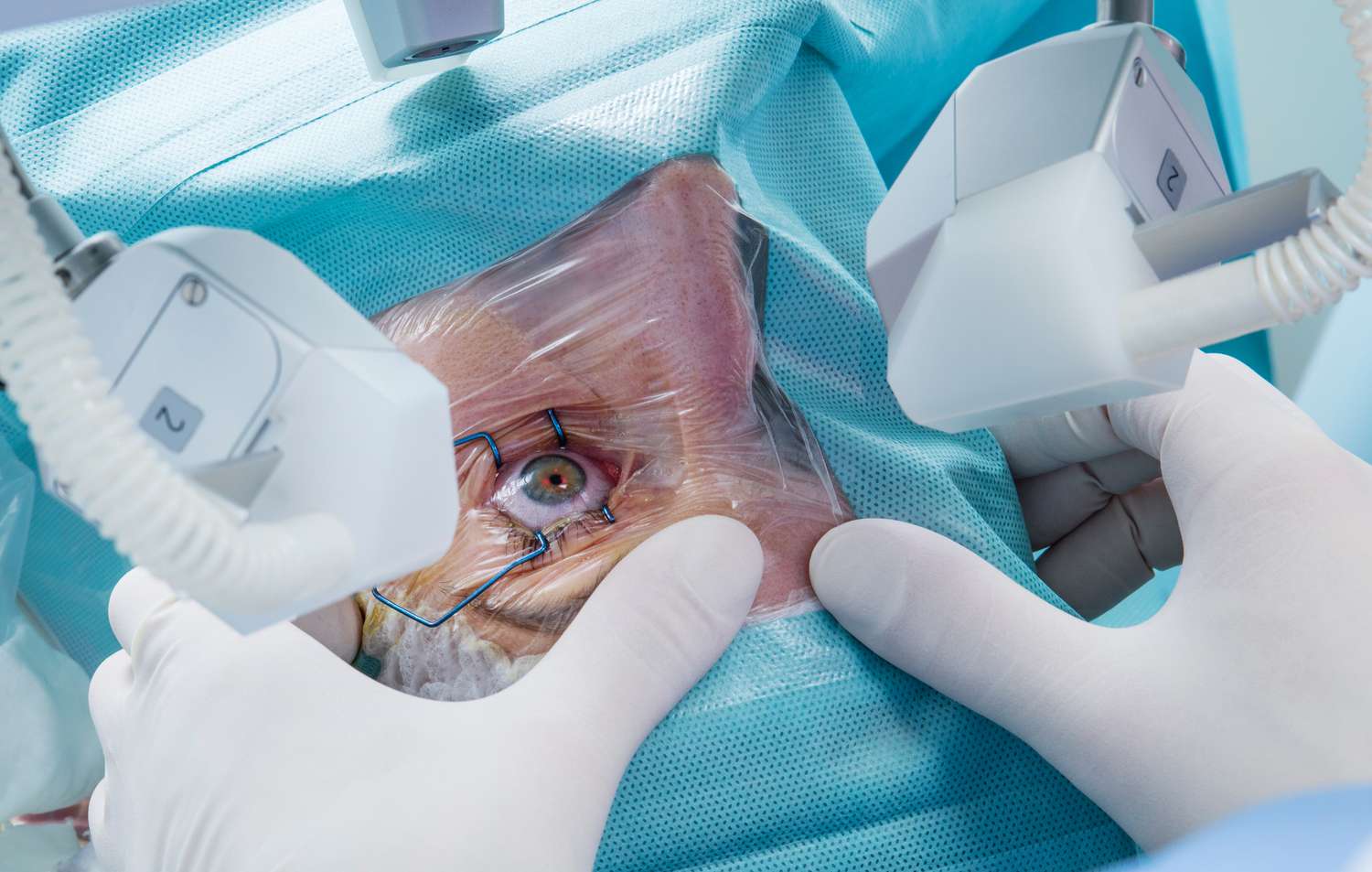
During cataract surgery, your eye’s natural, cloudy lens is removed and replaced with an artificial one known as an Intraocular Lens (IOL). This lens is permanent and requires no maintenance.
Historically, the goal was simply to clear the “fog” of the cataract. Modern ophthalmology, however, has evolved. Today, the IOL is not just a replacement; it is a refractive tool that can correct pre-existing vision issues like nearsightedness, farsightedness, and astigmatism.
The Two Primary Categories
- Standard (Monofocal) Lenses: Designed to provide clear vision at one focal point (usually distance).
- Premium Lenses: Advanced optics (Multifocal, Trifocal, or Extended Depth of Focus) designed to provide a broader range of vision.
Standard vs. Premium Lenses: How Your Choice Impacts Cataract Surgery Pricing
The price discrepancy between standard and premium options is significant, often ranging from a few hundred to several thousand dollars per eye. This price gap is driven by three main factors: the cost of the physical hardware, the complexity of the surgical planning, and the advanced technology required for implantation.
1. The Cost of the Hardware
Standard monofocal lenses are the “workhorse” of the industry. Because they are manufactured in high volumes with simpler optical designs, their base cost is relatively low. Premium lenses involve complex light-splitting patterns or specialized shapes (as seen in Toric lenses for astigmatism), which command a higher manufacturing price.
2. Diagnostic Precision
Implanting a premium lens requires a higher degree of preoperative “biometry” (eye measurement). Surgeons must use advanced mapping technology to ensure the lens sits perfectly, as even a one-millimeter misalignment in a premium lens can result in blurry vision. These diagnostic fees are often bundled into the higher “premium” price tag.
3. Surgeon Expertise and Chair Time
Fitting a premium lens typically involves more “chair time”—the time a surgeon spends consulting with you to manage expectations and fine-tune the visual outcome.
In-Depth Comparison: Standard Monofocal Lenses
A standard lens is a monofocal lens. This means it has one “focus.” In most cases, the surgeon sets this focus for distance.
The Financial Advantage
In Australia, if you are a public patient through Medicare, a standard monofocal lens is typically covered entirely. In the private system, most private health insurance “Silver” or “Gold” tiers cover the cost of a standard lens, leaving you only with the surgeon’s gap fee and hospital excess.
The Visual Trade-off
While distance vision (driving, watching TV) becomes crystal clear, you will almost certainly require reading glasses for “near” tasks like using a phone, reading a book, or seeing a car dashboard.
Key Takeaway: Standard lenses are the most cost-effective choice but require a long-term commitment to wearing glasses for close-up work.
The World of Premium Lenses: Benefits and Outcomes
Premium lenses are designed for patients who want to reduce or eliminate their dependence on glasses. This category includes several sophisticated technologies:
Trifocal and Multifocal Lenses
These lenses use diffractive rings to split light, allowing the eye to focus on near, intermediate, and far objects simultaneously.
- The Benefit: High likelihood of “spectacle independence.”
- The Cost Impact: These are the most expensive lenses on the market, often adding $1,500–$2,500 per eye in out-of-pocket costs.
EDOF (Extended Depth of Focus) Lenses
EDOF lenses create a single, elongated focal point rather than multiple distinct points.
- The Benefit: Smoother transition between distances and fewer “halos” or “glare” issues at night compared to trifocals.
- The Cost Impact: Priced similarly to multifocals, reflecting the high-end R&D involved.
Toric Lenses (Astigmatism Correction)
If you have astigmatism (an irregularly shaped cornea), a standard lens won’t fix it. A Toric version of a lens—whether monofocal or premium—is required.
- The Cost Impact: Toric lenses carry a surcharge because they must be custom-aligned to your eye’s specific axis.

Pricing Breakdown: What to Expect in Australia
Cataract surgery pricing in Australia is influenced by your insurance status and your lens choice.
| Feature | Standard Monofocal | Premium (Multifocal/EDOF) |
| Typical Out-of-Pocket | $0 – $1,500 per eye | $2,000 – $4,500 per eye |
| Medicare Coverage | High (in public hospitals) | Limited to the base lens rate |
| Private Insurance | Usually fully covered (hardware) | Partial coverage; patient pays “top-up” |
| Post-Op Glasses | Required for reading | Often not required |
Note: Prices are estimates based on 2026 private specialist averages and vary by clinic and location (e.g., Sydney vs. Regional QLD).
Real-World Use Case: Choosing Based on Lifestyle
Scenario A: The Avid Reader & Driver (Budget Conscious)
John is 70 and spends his time driving and reading. He chooses Standard Monofocal Lenses. His surgery is largely covered by insurance. He buys a high-quality pair of $300 reading glasses. Total “vision” investment: Lower.
Scenario B: The Active Professional (Convenience Focused)
Sarah is 62, still working, and plays tennis. She hates glasses. She chooses Trifocal Premium Lenses. She pays a $5,000 out-of-pocket gap for both eyes. She can see her computer, her phone, and the tennis ball without any aids. Total “vision” investment: Higher upfront, but zero ongoing costs for spectacles.
The Step-by-Step Decision Framework
If you are struggling to decide, follow this logical path:
- Assess Your Routine: Do you perform a lot of night driving? (Standard or EDOF may be better to avoid glares).
- Evaluate Your Budget: Are you comfortable with a significant upfront gap payment in exchange for 20+ years of glasses-free living?
- Check Your Insurance: Call your provider and ask specifically about “Top-up” or “Gap” payments for premium IOL prosthetic items.
- Consult a Specialist: Ensure your surgeon performs a comprehensive topography of your eye to see if your cornea is even compatible with premium optics.
Common Mistakes to Avoid
- Assuming “Premium” Means “Perfect”: No artificial lens perfectly mimics the eye of a 20-year-old. Even premium lenses have limitations, such as slight loss of contrast or halos at night.
- Ignoring Astigmatism: If you choose a standard lens but have high astigmatism, you will still need glasses for everything (distance and near). A Toric lens is often the best “middle ground” investment.
- Price Shopping Without Value Comparison: Don’t just look for the lowest price. Ask what specific brand of lens is being used and what the “refractive target” is.
FAQ Section
1. Does Medicare cover premium lenses?
Medicare covers the professional service (the surgeon’s fee) and a portion of the “base” lens cost. They do not cover the additional “premium” surcharge for multifocal or EDOF technology.
2. Why is there such a big price difference between clinics?
Pricing varies based on the surgeon’s experience, the diagnostic technology used in the clinic, and the hospital theater fees.
3. Can I upgrade to premium lenses later?
No. While “lens exchange” is possible, it is a complex and risky secondary surgery. It is best to choose the right lens during your primary cataract procedure.
4. Will I still need glasses if I choose a premium lens?
Approximately 80–90% of premium lens patients do not require glasses for daily tasks. However, you might still need them for very fine print or in low-light conditions.
5. Are premium lenses worth the extra cost?
This depends on your lifestyle. If you value the freedom to swim, exercise, and work without searching for glasses, the long-term “cost-per-day” is quite low.
Conclusion
When navigating Standard vs. Premium Lenses: How Your Choice Impacts Cataract Surgery Pricing, remember that you are making a twenty-year investment in your quality of life. Standard lenses offer a medically sound, budget-friendly path to clear vision, while premium lenses offer a technologically advanced route to visual independence.
Before your consultation, review your private health policy and consider how much you value being glasses-free. Clear vision is priceless, but the path you take to get there should align with both your lifestyle and your financial goals.
Internal Linking Suggestions:
- Anchor Text: Understanding Cataract Surgery Costs in Australia
- Anchor Text: What to Expect During Cataract Recovery
- Anchor Text: How to Choose an Ophthalmologist in Sydney
Authoritative External References:
- The Royal Australian and New Zealand College of Ophthalmologists (RANZCO)
- The Australian Government Department of Health and Aged Care (Prostheses List)