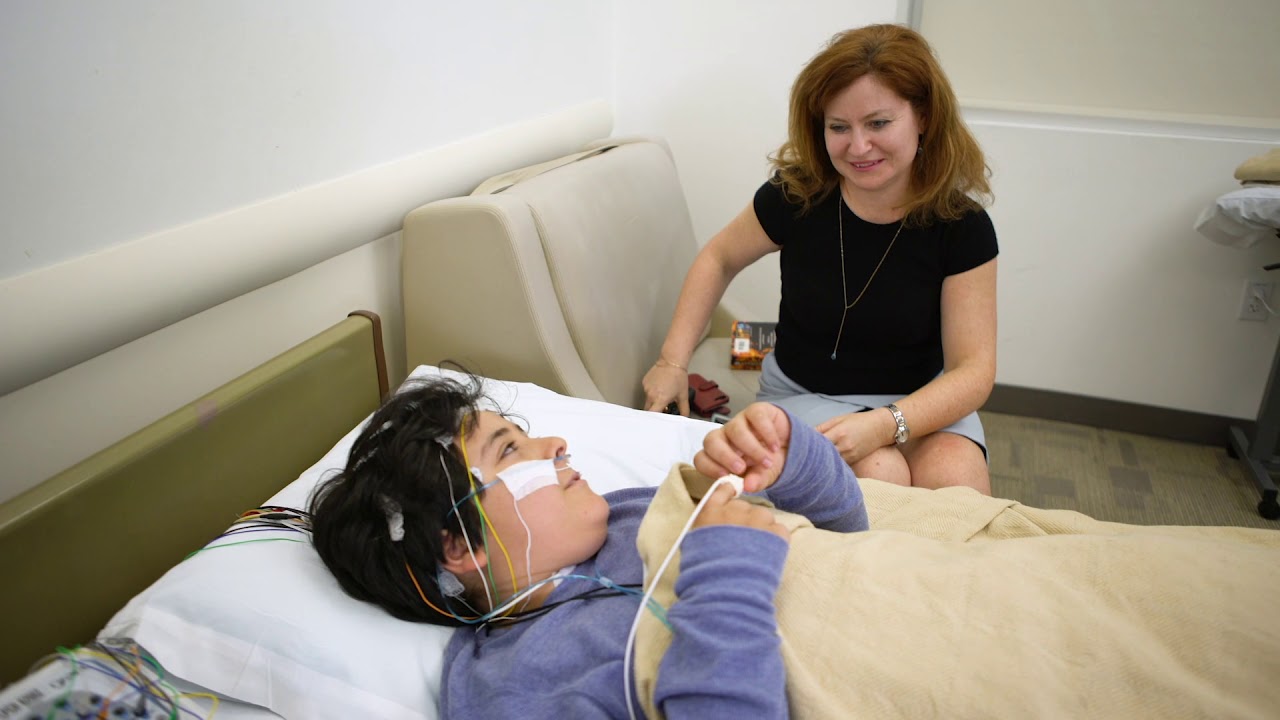
A sleep study is a test that records what the body does during sleep, so clinicians can identify issues like obstructive sleep apnoea, restless legs, insomnia-related arousals, or unusual night-time behaviours. In Australia, it can be done at home or in a sleep clinic, with the process designed to feel as normal and low stress as possible.
What is a sleep study, and what does it measure?
A sleep study measures breathing, oxygen levels, heart rate, sleep stages, and movement across the night. The aim is to match symptoms, such as snoring, choking, daytime sleepiness, or morning headaches, to objective data.
Common signals include airflow, chest and tummy effort, blood oxygen saturation, pulse, brain activity, eye movement, muscle tone, body position, and snoring sound. Not every test uses every channel, depending on the suspected condition.
Who typically needs a sleep study in Australia?
They usually need a sleep study if symptoms suggest a sleep breathing disorder or persistent sleep disruption that has not improved with basics. Referrals are common for loud snoring, witnessed pauses in breathing, excessive daytime sleepiness, or high-risk comorbidities.
In Australian practice, clinicians also consider safety and health risks, including drowsy driving, hypertension, atrial fibrillation, type 2 diabetes, stroke risk, and pregnancy-related sleep breathing concerns. Children may be assessed too, often for snoring and behavioural or learning impacts.
How do they get referred and booked in?
Most people start with a GP, who documents symptoms and risk factors, then writes a referral to a sleep physician or a sleep service. Some services accept direct bookings, but many still prefer a referral so Medicare and clinical details are clear.
Once booked, they receive instructions, paperwork, and an equipment or admission time. The provider also confirms whether the sleep study will be home-based or in-lab, and what to do with medications, caffeine, and naps on the day.
What happens before the night of the test?
Before the night, they complete questionnaires about sleep habits, snoring, and daytime sleepiness, often including an Epworth Sleepiness Scale. This helps the clinician interpret results in context.
They may be asked to keep a short sleep diary for a week, especially if insomnia or circadian rhythm issues are suspected. If it is a home test, they also receive a device demonstration or a quick fitting appointment.
What’s the difference between an at-home test and an in-lab sleep study?
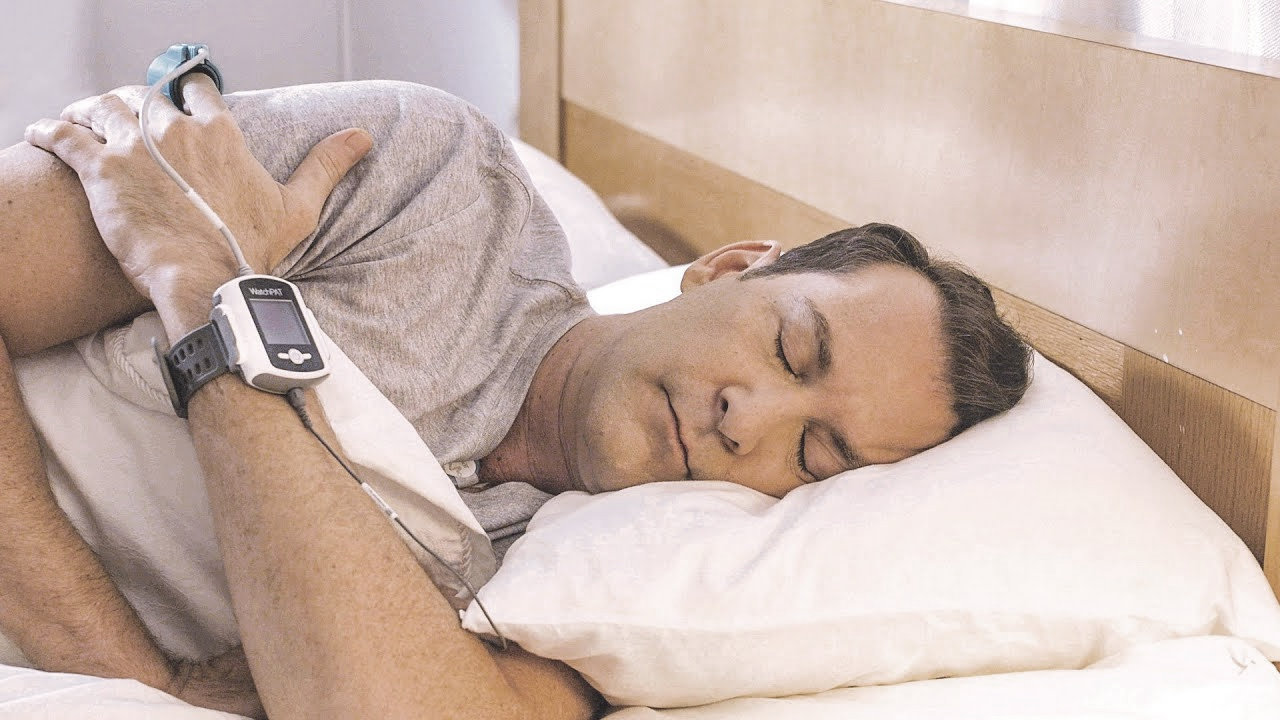
An at-home test focuses mainly on breathing and oxygen and suits many straightforward suspected obstructive sleep apnoea cases. An in-lab sleep study is more comprehensive and is often used when symptoms are complex or safety monitoring is needed.
In-lab testing usually captures brain waves and detailed sleep staging, plus more movement and muscle channels. Home testing can be more comfortable and accessible, but it may miss issues not directly linked to breathing, or fail if sensors detach.
What should they pack or prepare for a clinic-based night?
For a clinic night, they bring comfortable sleepwear, toiletries, and any regular medications, unless advised otherwise. They also bring items that help them sleep normally, such as a pillow, book, or white-noise app.
They should avoid heavy alcohol and keep caffeine modest in the afternoon, unless the service instructs differently. They can usually eat dinner as normal and arrive with clean, dry hair and skin to help sensors adhere.
How is the equipment set up, step by step?
Set-up is usually straightforward and explained as it happens, with consent and privacy maintained. For an in-lab test, a technician applies sensors and checks signals before lights out.
Typical steps include measuring and fitting a head net or small scalp sensors, placing belts around the chest and abdomen, attaching a finger oxygen probe, placing small stickers for ECG, and fitting airflow sensors near the nose and mouth. For a home sleep study, the kit is simplified, often using a nasal cannula, effort belts, and an oximeter. Checkout more about ECG test.
What does the night actually look like once the test starts?
Once the test begins, they sleep as normally as possible, while the system records continuously. In a clinic, they can call a technician if they need the bathroom or if a sensor feels uncomfortable.
They can usually change sleep position, and many devices allow a short disconnect for bathroom breaks. The goal is to capture a typical night, including snoring, side or back sleeping, and natural awakenings.
See Also : Who Needs Sleep Testing, and Who Does Not
What is the technician or clinician watching for during the night?
They are watching for breathing interruptions, oxygen drops, arousals, and unusual movements, and whether these correlate with body position or sleep stage. In-lab monitoring also helps catch sensor issues early, improving data quality.
For suspected parasomnias or seizure-like events, the in-lab setup may include video and extra muscle channels. If severe breathing problems arise, the service follows its protocols, which can include escalation and urgent medical review.
What happens in the morning after the sleep study ends?
In the morning, sensors are removed, and they can usually leave soon after, often around early morning hours. Home-test users return the device the same day or the next business day, depending on the provider.
They are typically told when to expect results and whether follow-up is with a GP, sleep physician, or the testing service. If they feel sleepy, they should plan safe transport, since a poor night can increase driving risk after a sleep study.
How is the data scored and turned into a result?
A trained scorer reviews the recording in epochs, identifying sleep stages, breathing events, oxygen changes, and arousals according to established criteria. Then a clinician interprets the findings alongside symptoms and medical history.
Key outputs include total sleep time, sleep efficiency, respiratory event indices such as AHI, oxygen nadir, time spent below oxygen thresholds, snoring patterns, and limb movement indices. This is where a sleep study becomes a clinical answer, not just a graph.
What do common sleep study results mean?
If obstructive sleep apnoea is present, the report may classify severity using the AHI plus oxygen impacts and symptoms. Mild results can still matter if they have significant sleepiness, safety concerns, or comorbidities.
If breathing is normal, the report may highlight insomnia patterns, frequent awakenings, periodic limb movements, or circadian timing issues. Sometimes the result is “technically limited”, meaning data quality was insufficient, and repeating the sleep study is recommended.
What treatments might follow from the results?
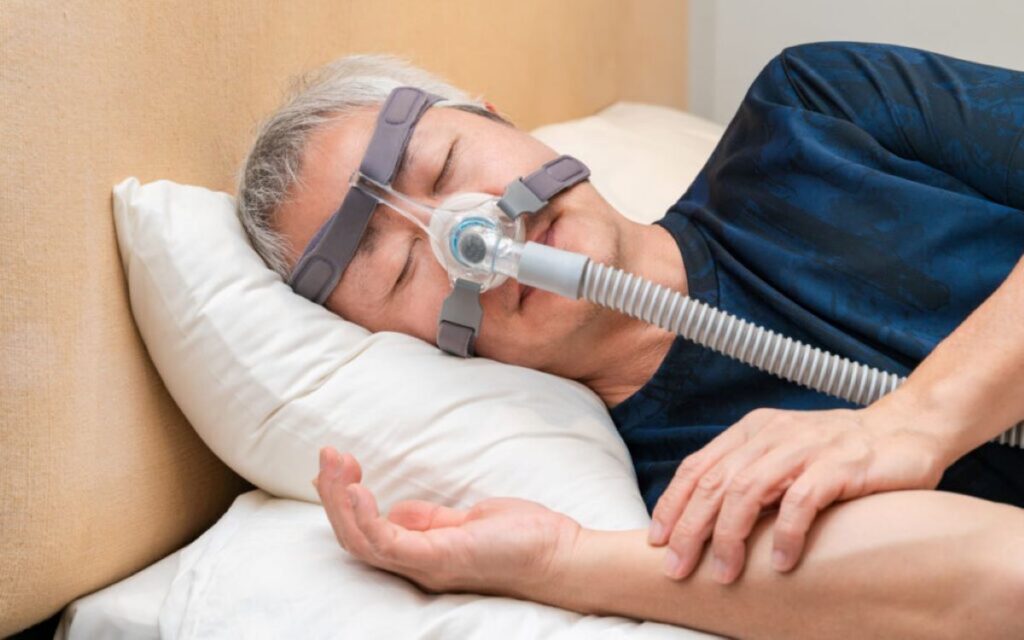
Treatment depends on the cause and severity, and it is usually personalised. For obstructive sleep apnoea, options include CPAP therapy, mandibular advancement splints from a qualified dentist, positional therapy, weight management support, and addressing nasal obstruction.
For insomnia, first-line management in Australia is typically CBT-I, sometimes supported by short-term medication guidance. For restless legs, clinicians may check iron and other factors, then tailor therapy to symptoms found alongside the sleep study.
How quickly do they get results in Australia?
Turnaround varies by provider and season, but many services deliver results within one to three weeks. Home testing can be quicker, though specialist review still takes time.
They should ask who will explain the report and what the next step is, especially if treatment like CPAP is likely. If symptoms are severe, or there are safety concerns, they should request prioritisation and confirm whether the sleep study flagged urgent findings.
What can they do to improve the accuracy of the test?
They can aim for a typical day and night, rather than trying to “sleep perfectly”. That means keeping the usual routine, unless told otherwise, and avoiding unusual late nights that do not reflect normal sleep.
For home kits, careful sensor placement matters most, so they should follow instructions closely and ask questions before bedtime. Clean skin, secure belts, and a well-fitted nasal cannula reduce signal loss and help the sleep study capture enough high-quality data.
What should they ask at the follow-up appointment?
They should ask what diagnosis best fits their symptoms and whether the result explains daytime fatigue, mood changes, or morning headaches. They can also ask about severity, risks, and whether treatment is recommended now or after trying conservative steps.
It helps to ask about alternatives to CPAP, expected benefits, side effects, and how success is measured, such as symptom change and repeat data. If a sleep study was negative, they should ask what else could be causing symptoms and what to test next.
What does a step-by-step sleep study timeline look like?
A typical sleep study timeline is simple: assessment, booking, test night, scoring, then a results and treatment plan. Most people move from referral to an answer without needing hospital admission or invasive procedures.
Step by step, it usually looks like this: GP or specialist consult, screening questionnaires, choosing home or lab testing, sensor setup, overnight recording, device return or discharge, expert scoring, clinical interpretation, and a follow-up plan tailored to the person’s risks and goals.
FAQs (Frequently Asked Questions)
What is a sleep study and what does it measure?
A sleep study is a test that records various body functions during sleep, such as breathing, oxygen levels, heart rate, sleep stages, and movements. It helps clinicians identify issues like obstructive sleep apnoea, restless legs, insomnia-related arousals, or unusual night-time behaviours by matching symptoms to objective data.
Who typically needs a sleep study in Australia?
People who exhibit symptoms of sleep breathing disorders or persistent sleep disruptions that haven’t improved with basic measures usually need a sleep study. Common indications include loud snoring, witnessed pauses in breathing, excessive daytime sleepiness, and high-risk conditions like hypertension, atrial fibrillation, type 2 diabetes, stroke risk, or pregnancy-related concerns. Children may also be assessed for snoring and behavioural impacts.
How do I get referred and booked for a sleep study in Australia?
Most people start by consulting their GP who documents symptoms and risk factors before referring them to a sleep physician or service. Some services accept direct bookings but referrals help with Medicare claims and clinical details. Once booked, patients receive instructions about the test type (home-based or in-lab), preparation guidelines including medication and caffeine use.
What is the difference between an at-home sleep test and an in-lab sleep study?
An at-home test primarily focuses on breathing and oxygen levels and suits many straightforward cases of suspected obstructive sleep apnoea. In contrast, an in-lab sleep study is more comprehensive, capturing brain waves for detailed sleep staging along with more movement and muscle activity monitoring. In-lab studies are preferred for complex symptoms or when safety monitoring is needed.
What should I bring and how should I prepare for an overnight clinic-based sleep study?
For a clinic night, bring comfortable sleepwear, toiletries, regular medications unless advised otherwise, and items that help you sleep normally such as a pillow or white-noise app. Avoid heavy alcohol intake and limit caffeine in the afternoon unless instructed differently. Eat dinner as usual and arrive with clean, dry hair and skin to ensure sensors adhere properly.
What happens after the sleep study ends? How are results processed?
In the morning after the test ends, sensors are removed and patients can usually leave soon after. Home-test users return equipment promptly as instructed. A trained scorer reviews the recordings to identify sleep stages, breathing events, oxygen changes, and arousals using established criteria. A clinician then interprets these findings alongside your symptoms and medical history to provide a diagnosis or treatment recommendations.