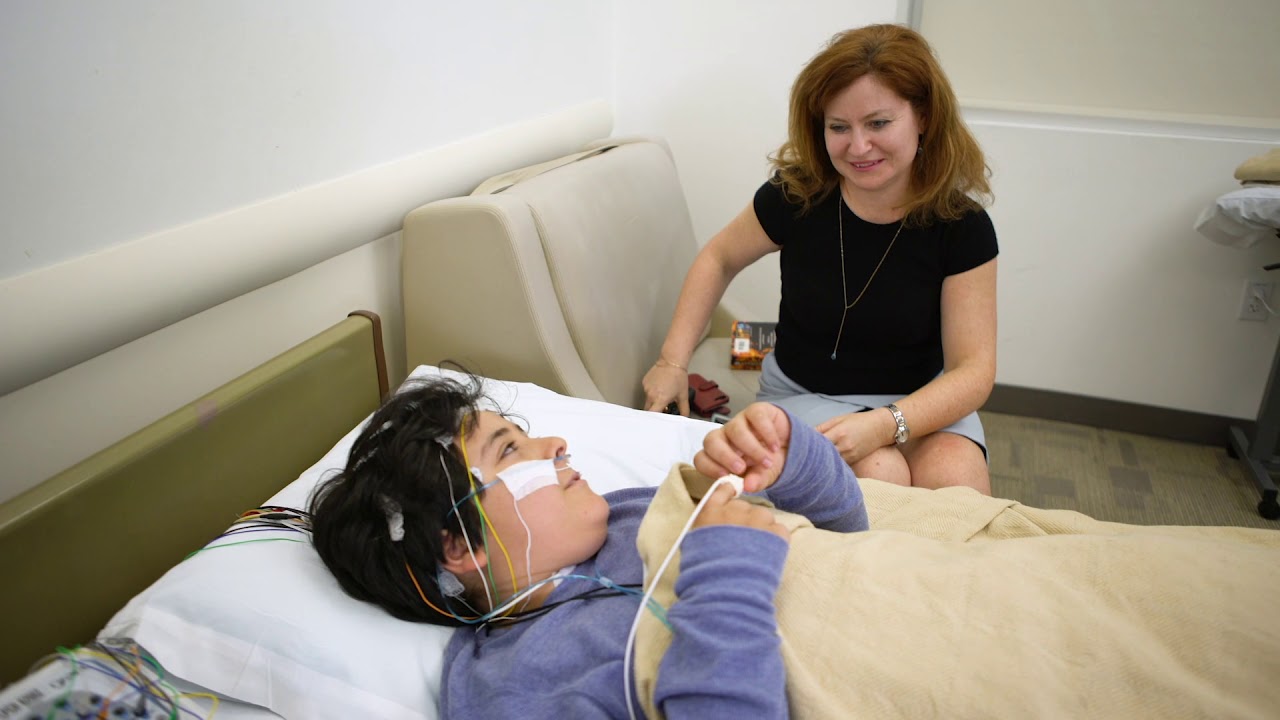
Sleep problems are common in Australia, but not everyone needs a formal assessment. Sleep testing can be the quickest way to confirm whether symptoms are harmless or linked to a treatable sleep disorder.
This guide explains who should prioritise sleep testing, who can usually skip it, and what to do next if symptoms change.
Who should consider sleep testing straight away?
They should consider sleep testing early if their symptoms suggest obstructive sleep apnoea or another disorder that can affect safety, heart health, or daytime functioning. A clear pattern of loud snoring, witnessed pauses in breathing, and excessive daytime sleepiness is usually enough to justify assessment.
In Australia, many people start with a GP, who may refer them to a sleep physician or a home-based study provider.
What symptoms most strongly point to obstructive sleep apnoea?
The strongest signs are loud, habitual snoring, witnessed choking or gasping, and breathing pauses noticed by a bed partner. Waking unrefreshed, morning headaches, dry mouth, and frequent night-time urination also raise suspicion.
When these symptoms cluster, sleep testing is often the most direct way to confirm severity and guide treatment, including CPAP or mandibular advancement devices.
Who needs sleep testing because their job or safety is at risk?
They should not ignore symptoms if they drive for work, operate machinery, work at heights, or do shift work in safety-critical roles. Microsleeps, near-misses while driving, or struggling to stay awake in meetings can be red flags.
For these people, sleep testing is less about curiosity and more about preventing workplace incidents and road trauma.
Who should consider sleep testing due to heart or metabolic risks?
They should consider assessment if they have high blood pressure, atrial fibrillation, type 2 diabetes, a history of stroke, or difficult-to-control hypertension. Sleep apnoea can worsen these conditions and sometimes undermines medication control.
In these cases, sleep testing can support a broader treatment plan that involves a GP, cardiologist, or endocrinologist.
When do children need sleep testing?
They may need assessment if they snore most nights and also have behavioural concerns, learning difficulties, bedwetting, or laboured breathing during sleep. Enlarged tonsils and adenoids are common contributors, and paediatric sleep apnoea can look different from adult symptoms.
A GP may refer them to an ENT specialist or paediatric sleep service, and sleep testing can help clarify severity before treatment.
Who needs sleep testing for insomnia, and who may not?
They may need sleep testing for insomnia when there are signs of another disorder underneath it, such as loud snoring, leg kicking, choking episodes, or extreme daytime sleepiness. Insomnia can also be secondary to depression, anxiety, pain, reflux, or medications.
If insomnia is the only issue and there is no strong sign of apnoea or a movement disorder, they may benefit more from CBT-I (cognitive behavioural therapy for insomnia) before considering tests.
When is sleep testing useful for restless legs or night-time movements?
They may need assessment if they have an urge to move their legs at night plus sleep disruption, or if a partner reports frequent kicking. Restless legs syndrome is often diagnosed clinically, but periodic limb movement disorder sometimes needs confirmation.
If symptoms are severe, persistent, or complicated by daytime impairment, sleep testing or other sleep specialist assessments can help rule out overlapping conditions.
Who should consider sleep testing for narcolepsy or unusual daytime sleep attacks?
They should consider specialist review if they have sudden sleep episodes, cataplexy-like weakness triggered by emotion, vivid hallucinations at sleep onset, or sleep paralysis. These symptoms are less likely to be simple “poor sleep habits”.
In these situations, sleep testing is usually done in a sleep lab with an overnight study followed by daytime nap testing, as arranged by a sleep physician.
Who does not usually need sleep testing if they only snore?
They may not need sleep testing if they snore lightly, feel refreshed, have no witnessed breathing pauses, and do not experience daytime sleepiness. Snoring alone can still be socially disruptive, but it does not always mean apnoea.
They can start with low-risk steps such as reducing alcohol near bedtime, sleeping on their side, treating nasal congestion, and reviewing weight and fitness.
Who does not need sleep testing if short-term sleep trouble has a clear cause?
They often do not need assessment if sleep disruption is brief and linked to a temporary stressor such as exams, a new baby, travel, acute illness, or a short course of medication. Most short-term insomnia settles as routines stabilise.
If symptoms persist beyond a few weeks, worsen, or combine with loud snoring or daytime sleepiness, sleep testing may become appropriate.
Who can often skip sleep testing by improving sleep habits first?
They can usually trial sleep hygiene changes when symptoms are mild and there are no red flags. Consistent wake times, morning light exposure, limiting late caffeine intake, reducing alcohol, and keeping screens out of bed can meaningfully improve sleep quality.
If they improve with these changes and daytime function returns, sleep testing is less likely to add value.
What red flags mean someone should not delay sleep testing?
They should not delay if there are witnessed apnoeas, choking or gasping, severe daytime sleepiness, drowsy driving, treatment-resistant hypertension, or a history of stroke or heart rhythm problems. They should also act if a partner reports loud snoring plus long breathing pauses.
With these red flags, sleep testing can change management quickly and reduce longer-term risks.
What types of sleep testing are available in Australia?
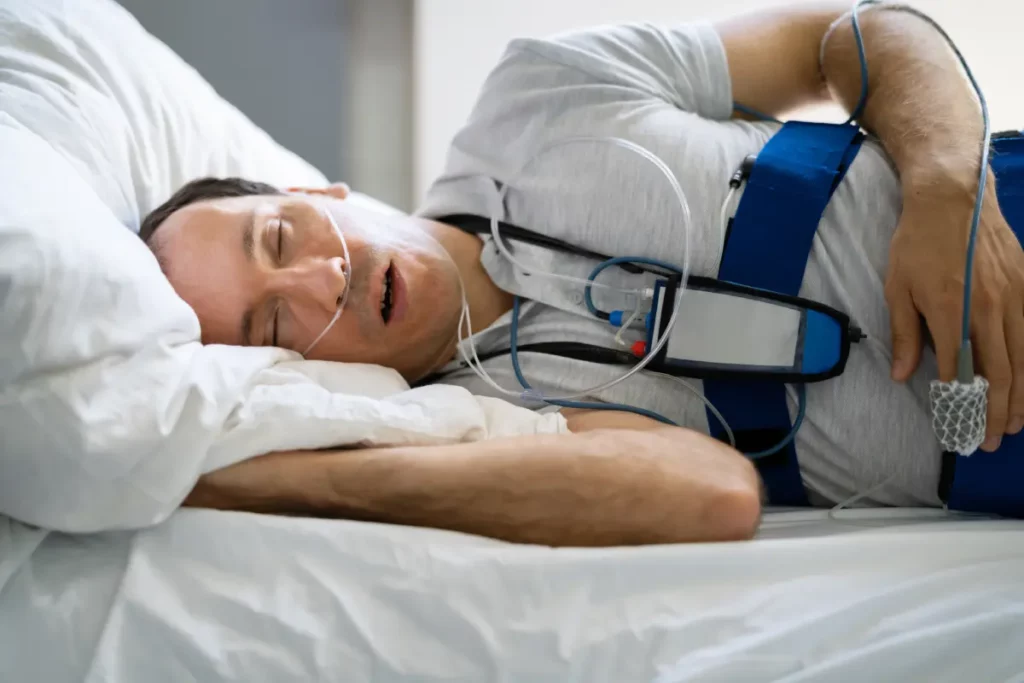
In Australia, common options include home sleep apnoea tests and in-lab polysomnography. Home studies are often used when obstructive sleep apnoea is the main concern, while lab studies can be better for complex cases or when other disorders are suspected.
A GP or sleep physician can advise which sleep testing option matches symptoms, medical history, and Medicare or private cover requirements.
How should they prepare for sleep testing to get the best result?
They should keep their usual routine as much as possible and avoid making big “fixes” right before the study, unless a clinician advises it. Alcohol and sedatives can change breathing and sleep architecture, so they should follow provider instructions carefully.
They should also share a full medication list and symptom history so sleep testing results are interpreted in the right context.
What should they do if sleep testing is normal but symptoms persist?
They should return to their GP and review other causes such as iron deficiency, thyroid issues, mood disorders, medication side effects, chronic pain, reflux, or circadian rhythm problems. A normal study can still be useful because it narrows the possibilities.
If symptoms remain significant, a sleep physician may recommend further evaluation even after initial sleep testing.
How can they decide, practically, whether sleep testing is worth it?
They can use a simple decision lens: if symptoms affect safety, daytime function, or cardiovascular risk, sleep testing is usually worth prioritising. If symptoms are mild, clearly situational, and improving with routine changes, it may not be necessary.
When uncertain, they should start with a GP visit in the UK and bring a short symptom diary, partner observations, and any wearable data as supporting context.
More to Read : How a Sleep Study Works, Step By Step
FAQs (Frequently Asked Questions)
Who should prioritise sleep testing in Australia?
Individuals exhibiting symptoms suggestive of obstructive sleep apnoea or other disorders impacting safety, heart health, or daytime functioning should prioritise sleep testing. This includes those with loud snoring, witnessed breathing pauses, and excessive daytime sleepiness. Starting with a GP referral to a sleep physician or home-based study provider is common.
What are the key symptoms indicating obstructive sleep apnoea that warrant sleep testing?
Strong indicators include loud, habitual snoring, witnessed choking or gasping during sleep, and breathing pauses observed by a bed partner. Additional signs such as waking unrefreshed, morning headaches, dry mouth, and frequent night-time urination also raise suspicion and justify sleep testing to confirm severity and guide treatment.
Who requires sleep testing due to job-related safety risks?
People whose work involves driving, operating machinery, working at heights, or shift work in safety-critical roles should not ignore symptoms like microsleeps, near-misses while driving, or difficulty staying awake. For them, sleep testing is essential to prevent workplace incidents and road trauma.
When should children be considered for sleep testing?
Children who snore most nights accompanied by behavioural concerns, learning difficulties, bedwetting, or laboured breathing during sleep may need assessment. Enlarged tonsils and adenoids often contribute to paediatric sleep apnoea. A GP may refer them to an ENT specialist or paediatric sleep service for further evaluation.
Who can usually skip sleep testing if they only snore lightly?
Individuals who snore lightly but feel refreshed upon waking, have no witnessed breathing pauses, and do not experience daytime sleepiness typically do not require sleep testing. They can start with low-risk measures such as reducing alcohol intake before bedtime, sleeping on their side, addressing nasal congestion, and maintaining a healthy weight.
What are the red flags that indicate immediate need for sleep testing?
Red flags include witnessed apnoeas, choking or gasping during sleep, severe daytime sleepiness, drowsy driving incidents, treatment-resistant hypertension, history of stroke or heart rhythm problems, and partner reports of loud snoring with long breathing pauses. Prompt sleep testing can significantly impact management and reduce long-term health risks.