Cataracts are common in Australia, especially as people age, and they can make everyday tasks like driving, reading, and recognising faces feel harder than they should. Many people search for non-surgical cataracts treatment options because they want to avoid an operation, reduce risk, or buy time.
The reality is simple: cataracts are a physical clouding of the eye’s natural lens. That means non-surgical cataracts treatment options can sometimes help people cope with symptoms, but they cannot remove the cloudy lens. Knowing what’s realistic helps them spend money wisely and protect their vision.
What exactly are cataracts, and why do they keep getting worse?
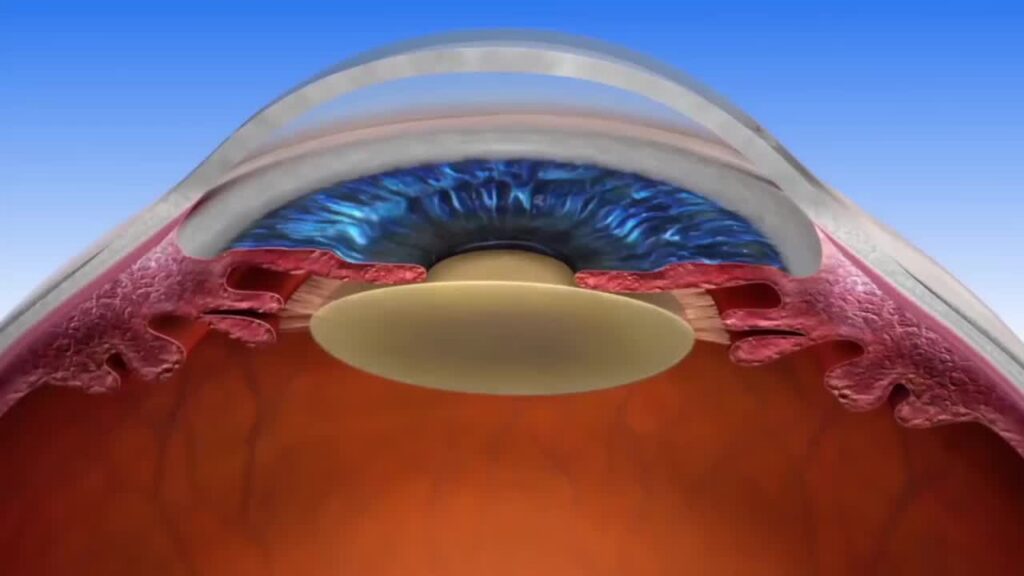
Cataracts happen when proteins in the eye’s natural lens clump together, creating cloudiness. They usually progress slowly, but progression is still progression.
In practical terms, most cataracts do not improve on their own. Many non-surgical cataracts treatment options focus on comfort and function, not reversal, because the cloudy lens remains in place.
Can glasses or updated prescriptions count as a real treatment?
Yes, for early cataracts, new glasses can noticeably improve day-to-day clarity. Optometrists across Australia often start here, because it is low-risk and affordable.
The limit is that prescription updates stop helping once the cataract causes significant scatter and glare. At that point, relying on glasses alone is one of the most common frustrations people report while exploring non-surgical cataracts treatment options.
Can brighter lighting and magnifiers meaningfully help at home?
Yes, better lighting can improve contrast, and magnifiers can help with reading tasks. Many Australians get real mileage from simple changes like brighter LED lamps, task lighting in the kitchen, and larger print settings on devices.
The limit is that lighting does not fix glare, halos, or reduced night vision. These adjustments are supportive non-surgical cataracts treatment options, but they do not change what is happening inside the lens.
Can anti-glare measures improve night driving and screen comfort?
Sometimes, yes. Anti-reflective coatings on glasses, polarised sunglasses for daytime glare, and careful screen settings can reduce discomfort.
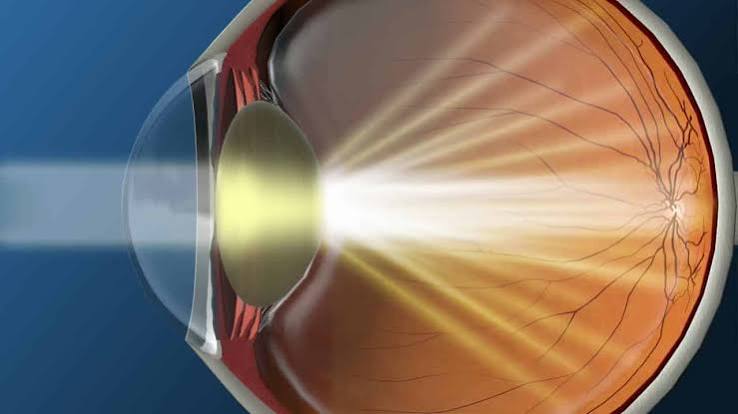
The limit is that cataract glare is caused by internal light scatter, so external coatings only go so far. For many people, night driving becomes the first activity they reduce, even after trying multiple non-surgical cataracts treatment options.
Can eye drops dissolve cataracts or stop them forming?
No eye drop available in Australia has been proven in high-quality clinical evidence to dissolve cataracts in humans. If they are seeing marketing claims online, they should treat them cautiously.
Drops may help dry eye, which can overlap with blurry vision. But dry eye treatment is not a cataract cure, and it should not be positioned as one of the primary non-surgical cataracts treatment options.
Can lifestyle changes slow cataract progression in a practical way?
Some habits may support long-term eye health and possibly slow progression. This includes UV protection, not smoking, and managing diabetes well, all of which matter in Australia’s high-UV environment.
The limit is that lifestyle measures are not a rapid fix, and they cannot reverse an existing cataract. Still, these steps are often the most sensible non-surgical cataracts treatment options for people who are not ready for surgery.
Do supplements like lutein and zeaxanthin help cataracts?
They may support general retinal health, and some people take them for age-related macular concerns. However, supplements have not been shown to reliably reverse cataracts.
The limit is expectations. If they are spending hundreds of dollars a year hoping for lens clarity to return, they are likely to be disappointed. Supplements can be adjacent support, but not standalone non-surgical cataracts treatment options.
Can diet changes make vision clearer when cataracts are present?
A balanced diet supports overall health, and nutrients from leafy greens, colourful vegetables, and omega-3 sources can be beneficial. Staying healthy also helps people stay eligible for procedures and reduces complications from other conditions.
The limit is that diet does not remove the lens clouding. People can improve wellbeing while still needing stronger non-surgical cataracts treatment options to manage daily tasks.
Can treating dry eye or blepharitis reduce “cataract-like” blur?
Yes, and this is one of the most overlooked wins. Dry eye disease and blepharitis can cause fluctuating blur, irritation, and glare, and these can stack on top of cataract symptoms.
The limit is that once ocular surface issues are controlled, the remaining blur may reveal how much of the problem is cataract. This approach can still be valuable among non-surgical cataracts treatment options, because it improves comfort and measurement accuracy.
Can contact lenses help if glasses are no longer working?
Sometimes. In selected cases, contact lenses can provide sharper optics than glasses, especially if the prescription is changing frequently.
The limit is practicality and safety. Many older Australians find contacts uncomfortable, harder to handle, or incompatible with dry eye. Contacts can be a bridging measure, but they are rarely the long-term answer within non-surgical cataracts treatment options.
Are there laser or “no-cut” procedures that avoid cataract surgery?
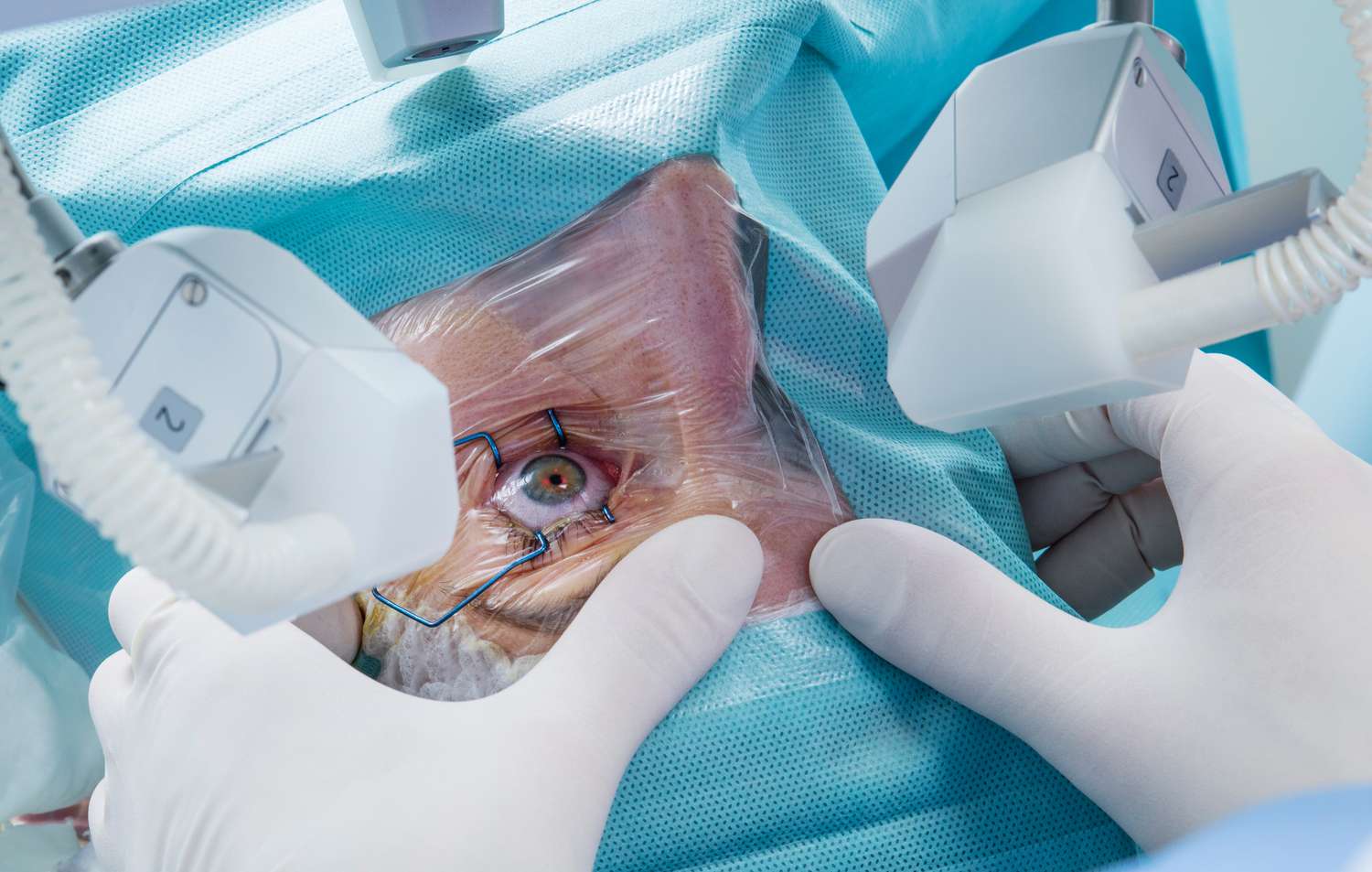
In Australia, cataract treatment that restores clarity still involves removing the cloudy natural lens and replacing it with an intraocular lens. Some clinics use femtosecond lasers to assist parts of the procedure, but it is still surgery.
The limit is wording. Marketing can blur the line between “laser-assisted” and “non-surgical.” If they are specifically seeking non-surgical cataracts treatment options, they should assume that vision-restoring treatment still involves lens removal.
Can they simply wait, and when does waiting become risky?
They can often wait if the cataract is mild and daily life is not significantly affected. Many Australians monitor cataracts for years with regular optometry check-ups, especially if they can still drive safely and read comfortably.
Waiting becomes risky when vision threatens safety or independence. If they are missing road signs, struggling with glare, falling more often, or failing vision requirements for driving, the limits of non-surgical cataracts treatment options are being reached.
How do they know whether symptoms are cataracts or something else?
They need a proper eye exam, usually starting with an optometrist and sometimes followed by an ophthalmologist. In Australia, blur and glare can also come from refractive changes, dry eye, corneal disease, macular degeneration, or glaucoma.
The limit of self-diagnosis is high. People can waste months on non-surgical cataracts treatment options if the real issue is different, or if two conditions are happening at the same time.
What should they ask an Australian optometrist or ophthalmologist?
They should ask what is driving the symptoms, how advanced the cataract is, and what changes are likely to help now. They should also ask about driving standards, particularly night driving, and whether referral timing matters.
They can also ask for a prioritised plan: what to try first, what is optional, and what is unlikely to help. That keeps non-surgical cataracts treatment options focused and prevents expensive trial-and-error.
What are the real-world limits of non-surgical approaches?
The direct limit is anatomical: the cloudy lens remains cloudy. Even the best coping strategies do not restore the crispness that comes from a clear lens.
The practical limit is quality of life. When someone is constantly adjusting lighting, avoiding driving at dusk, enlarging text, and still struggling, non-surgical cataracts treatment options have likely delivered most of what they can.
When is surgery usually considered in Australia, even if they hoped to avoid it?
Surgery is usually considered when cataracts interfere with daily activities, work, or safety. In Australia, this often shows up as night glare, trouble reading despite new glasses, reduced contrast, or failing driving vision standards.
They do not need to wait until the cataract is “mature.” The decision is typically based on function. At that stage, non-surgical cataracts treatment options become temporary supports rather than solutions.
What can they do right now if they are trying to delay surgery?
They can start with an updated prescription, better lighting, anti-glare strategies, and aggressive management of dry eye if present. They should also protect eyes from UV with good sunglasses, especially in Australian sun, and manage health conditions like diabetes.
They should set a review schedule and track symptoms. If they are choosing non-surgical cataracts treatment options, the best plan is structured monitoring rather than hoping the cataract will improve.
What is the simplest takeaway they should remember?
Non-surgical cataracts treatment options can help people see better around the edges of the problem, but they do not remove the cataract. They work best for early cataracts, for symptom relief, and for buying time safely.
If daily life keeps shrinking despite these measures, the most realistic next step is to discuss timing and referral pathways in Australia with a trusted optometrist or ophthalmologist.
Cataracts occur when proteins in the eye’s natural lens clump together, causing cloudiness that typically progresses slowly. Most cataracts do not improve on their own and tend to worsen, affecting vision clarity.
For early-stage cataracts, updated glasses prescriptions can improve day-to-day visual clarity and are a low-risk, affordable option. However, as cataracts progress and cause significant glare and scatter, glasses alone become less effective and cannot reverse the clouding of the lens.
Yes, improved lighting such as brighter LED lamps and task lighting can enhance contrast, while magnifiers assist with reading tasks. These supportive non-surgical options help with comfort but do not address the internal clouding causing cataracts.
Currently, no eye drops available in Australia have been proven through high-quality clinical evidence to dissolve or prevent cataracts. While some drops may relieve dry eye symptoms that overlap with blurry vision, they do not cure or treat cataracts themselves.
Certain habits like protecting eyes from UV light, avoiding smoking, and managing diabetes can support long-term eye health and may slow cataract progression. However, these measures do not reverse existing cataracts and are considered practical non-surgical management strategies.
In Australia, effective cataract treatment involves surgically removing the cloudy natural lens and replacing it with an intraocular lens. Some clinics use femtosecond lasers to assist surgery parts, but this is still considered surgery. Truly non-surgical options cannot restore lens clarity once a cataract has formed.