Cataracts are common in Australia, especially as people age, and many are told surgery is the most effective long-term fix. This guide explains cataract eye surgery in clear, practical steps, so they know what typically happens before, during, and after the procedure.
What is cataract eye surgery, in simple terms?
Cataract eye surgery removes the eye’s cloudy natural lens and replaces it with a clear artificial lens called an intraocular lens (IOL). It is usually a day procedure in an Australian hospital or day surgery centre.
Most people notice clearer vision once healing progresses, although the timeline varies.
Why do they need cataract eye surgery in the first place?
They usually need cataract eye surgery when the cloudy lens starts affecting daily life, such as driving, reading, or recognising faces. In Australia, this is often picked up during a routine optometrist visit and confirmed by an ophthalmologist.
Some also proceed because glare becomes unsafe at night, or prescription changes stop helping.
What happens at the first appointment before cataract eye surgery?
Before cataract eye surgery, they’ll typically have a detailed eye assessment, a health history check, and scans to measure the eye. These measurements help select the IOL power and plan the safest approach.
They may be asked about work, driving needs, and whether they want to reduce dependence on glasses.
How do they choose the lens implant used in cataract eye surgery?
The IOL choice for cataract eye surgery depends on the eye’s measurements, lifestyle, and the surgeon’s recommendations. Many Australians receive a monofocal lens, often aimed for clear distance vision with reading glasses still needed.
Some may be suitable for toric lenses (for astigmatism) or other options, depending on clinical factors and suitability.
What instructions do they get in the days leading up to surgery?
In the lead-up to cataract eye surgery, they may be told when to stop contact lenses, which medications to discuss, and how to use any prescribed eye drops. They’ll also be advised to organise transport, since they cannot drive themselves home.
The clinic usually provides a checklist covering fasting rules if any sedation is planned.
What happens when they arrive at the day surgery or hospital?
On the day of cataract eye surgery, they check in, confirm details, and have pre-op observations like blood pressure. Staff usually review allergies, medications, and the planned lens, then place identification bands and confirm consent.
The eye is marked and prepared, and they wait in a pre-op area until it is time.
What anaesthetic is used during cataract eye surgery in Australia?
Most cataract eye surgery in Australia is done with local anaesthetic eye drops, sometimes with light sedation. They remain awake but comfortable, and the eye is numbed so pain is usually minimal.
If they are very anxious or have specific medical considerations, the ophthalmologist and anaesthetist may recommend a different approach.
What happens first once they are in the operating room?
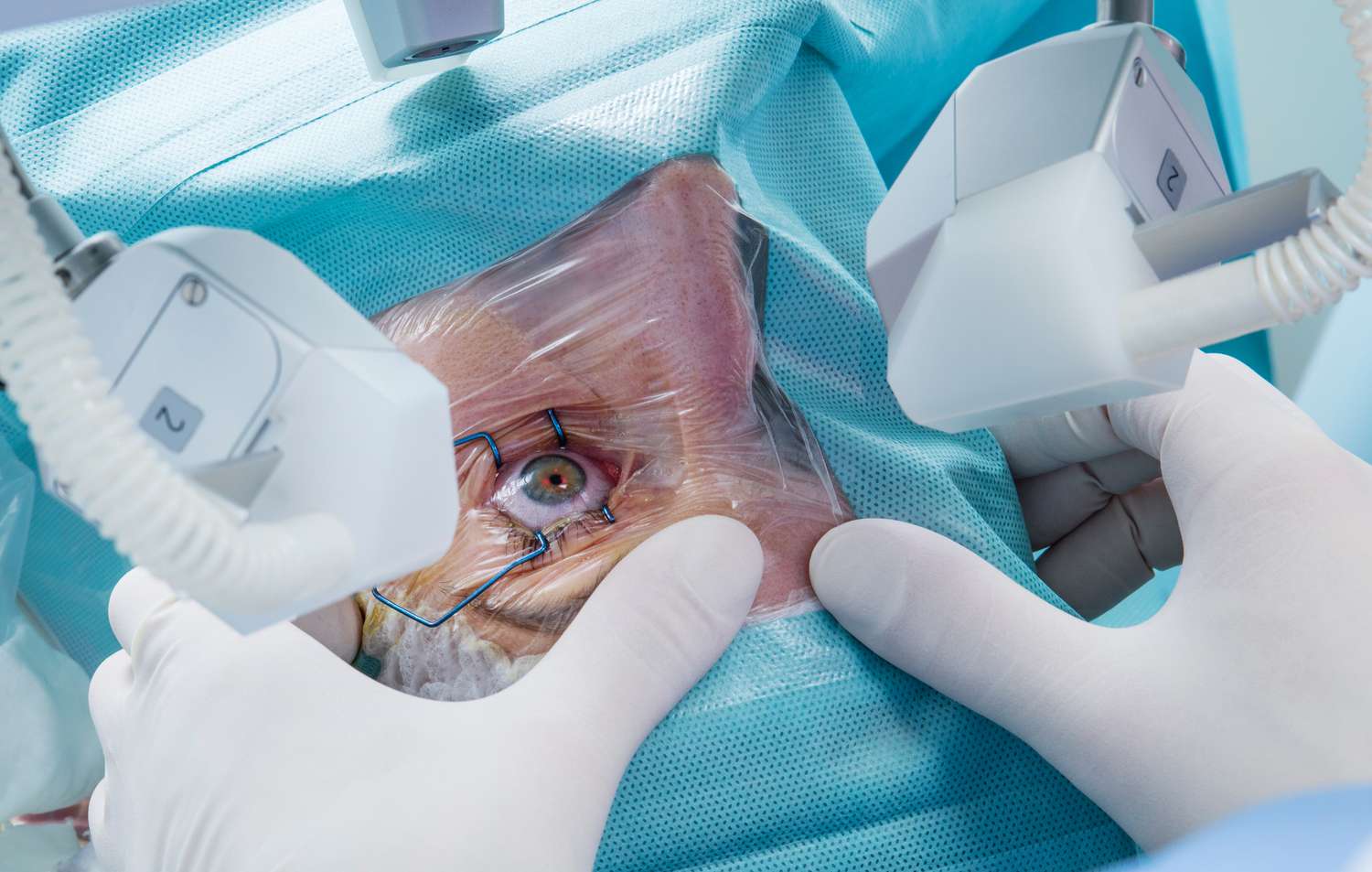
Once positioned for cataract eye surgery, the surgical team cleans around the eye and places sterile drapes. A small device gently keeps the eyelids open so they do not need to concentrate on blinking.
They are guided to look in a certain direction, and bright lights are normal.
How is the cloudy cataract lens removed step by step?
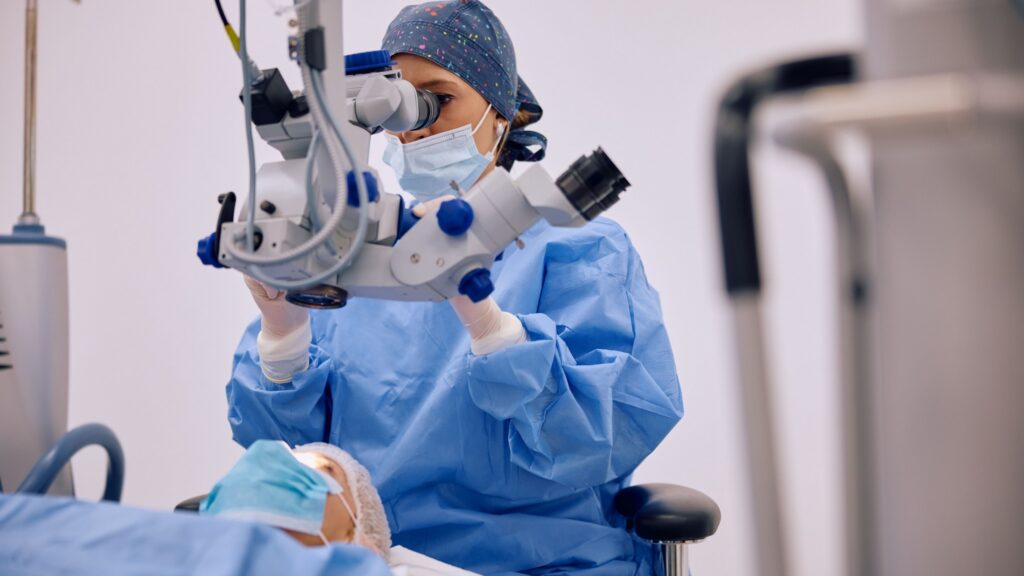
During cataract eye surgery, the surgeon makes a tiny incision at the front of the eye, then creates an opening in the lens capsule. Most commonly, ultrasound energy is used to break the cloudy lens into small pieces and remove it, a technique called phacoemulsification.
The capsule is usually left in place to support the new lens.
How is the new lens placed during cataract eye surgery?
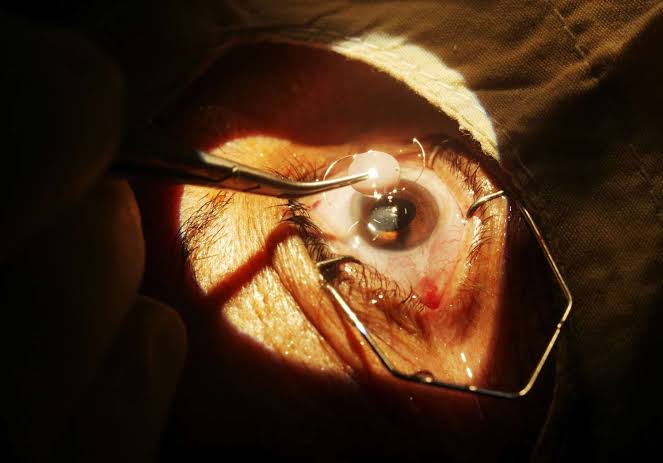
After the cataract is removed in cataract eye surgery, the IOL is inserted through the same small incision. It unfolds inside the eye and is positioned carefully, typically within the capsule that held the natural lens.
The surgeon checks alignment and stability, especially if they are implanting a toric lens that must sit at a specific axis.
Do they get stitches, and how is the incision closed?
In most cataract eye surgery cases, the incision is self-sealing and does not require stitches. The surgeon may hydrate the edges of the wound to help it close and confirm the eye pressure is appropriate.
If the incision needs extra support, a small stitch may be placed, but it is less common.
How long does cataract eye surgery usually take?
The procedure time for cataract eye surgery is often around 10 to 30 minutes per eye, though the total visit is longer due to preparation and recovery. Complex cataracts or other eye conditions can increase the time.
They should plan for several hours from arrival to discharge.
What happens immediately after cataract eye surgery is finished?
Right after cataract eye surgery, they move to recovery and are monitored briefly. A protective shield may be placed over the eye, and staff usually go through drops, restrictions, and follow-up appointments.
Their vision may be blurry at first, and the eye can feel gritty or watery.
What should they expect to feel in the first 24 hours?
In the first day after cataract eye surgery, mild discomfort, scratchiness, light sensitivity, and tearing are common. Many notice some improvement quickly, but vision can fluctuate as the cornea settles and inflammation reduces.
They are usually advised to rest, avoid rubbing the eye, and use drops exactly as prescribed.
What eye drops are typically used after cataract eye surgery?
After cataract eye surgery, they are commonly prescribed antibiotic and anti-inflammatory eye drops for a set schedule. The clinic normally provides a written plan, because timing and tapering matter.
If they miss doses or stop early, it can slow recovery or raise the risk of complications, so they should call the clinic if they are unsure.
What are the key do’s and don’ts during recovery in Australia?
Following cataract eye surgery, they are usually told to avoid eye rubbing, heavy lifting, dusty environments, and swimming for a period set by their surgeon. Showering is often fine, but they should avoid getting soap or water directly into the operated eye early on.
Many are advised to wear the shield while sleeping for several nights to prevent accidental bumps.
When can they drive, work, and exercise again?
After cataract eye surgery, driving is only recommended once their vision meets legal and safety requirements, and after the surgeon or optometrist confirms it is appropriate. Some return to desk work within days, while physically demanding jobs may require longer.
Light walking is often fine early, but strenuous exercise is usually paused until cleared at follow-up.
What follow-up visits happen after cataract eye surgery?
They typically have a check-up soon after cataract eye surgery, then another review in the following weeks to confirm healing and vision stability. These visits assess eye pressure, inflammation, lens position, and whether the cornea is settling well.
They may also be told when to update glasses, often after vision stabilises.
What risks and complications should they know about?
Cataract eye surgery is common and generally safe, but risks still exist. Possible issues include infection, inflammation, raised eye pressure, swelling of the cornea or retina, lens position problems, or slower-than-expected visual recovery.
They should seek urgent care if they have severe pain, sudden vision loss, increasing redness, or worsening light sensitivity.
What is posterior capsule opacification, and why can vision go cloudy later?
Months or years after cataract eye surgery, some develop posterior capsule opacification, where the capsule behind the lens becomes hazy. It can feel like the cataract has returned, but it is a different issue.
In Australia, it is commonly treated with a quick laser procedure (often called YAG capsulotomy) performed in rooms, not an operating theatre.
What happens if they need surgery in the second eye?
Many people have cataract eye surgery on one eye first, then the second eye later, depending on symptoms and the surgeon’s plan. Staging the procedures helps confirm the outcome, fine-tune lens decisions, and support safer recovery.
They may notice imbalance between eyes temporarily, especially if one eye is much clearer than the other.
How do they prepare questions for their Australian ophthalmologist?
They should ask their surgeon what type of lens is recommended, what vision target is planned, and what recovery restrictions apply for their lifestyle. It also helps to ask about costs, private health coverage, and expected out-of-pocket expenses in their state or territory.
For cataract eye surgery, they can also ask how to contact the clinic after hours if symptoms worsen.
Cataract eye surgery is a procedure that removes the eye’s cloudy natural lens and replaces it with a clear artificial lens called an intraocular lens (IOL). This surgery is typically performed as a day procedure in Australian hospitals or day surgery centres, aiming to restore clearer vision.
People usually need cataract eye surgery when the cloudy lens starts affecting daily activities such as driving, reading, or recognising faces. It is often detected during routine optometrist visits and confirmed by an ophthalmologist. Surgery may also be necessary if glare causes safety issues at night or if prescription changes no longer improve vision.
Before cataract eye surgery, you will undergo a detailed eye assessment including health history checks and scans to measure your eye. These measurements help select the appropriate IOL power and plan the safest surgical approach. You may also discuss your lifestyle needs, driving habits, and preferences regarding glasses dependence.
The choice of IOL depends on your eye measurements, lifestyle, and surgeon recommendations. Many Australians receive monofocal lenses aimed at clear distance vision but still require reading glasses. Others may be suitable for toric lenses to correct astigmatism or different lens types based on clinical factors and personal suitability.
On surgery day, you’ll check in and confirm your details. Pre-operative observations like blood pressure are taken, allergies and medications reviewed, and consent confirmed. The surgeon marks and prepares the eye, then you wait in a pre-op area until it’s time for the procedure.
After surgery, you’ll be monitored briefly in recovery where a protective shield may be placed over your eye. Staff will explain how to use prescribed antibiotic and anti-inflammatory eye drops, provide restrictions to follow, and schedule follow-up appointments. Vision may be blurry initially with sensations of scratchiness or watering common during healing.