Choosing an oxygen mask for home use safely starts with understanding the person’s prescription and matching the mask to their oxygen flow and breathing style. In Australia, the safest approach is to involve their GP, respiratory physician, or home oxygen provider before they buy or change any interface.
They should treat an oxygen mask as part of a medical system, not a standalone product. Fit, flow, and comfort affect oxygen delivery, skin health, and how likely they are to keep using it correctly.
What does a home oxygen prescription in Australia usually cover?
A home oxygen prescription usually sets the target oxygen saturation range and the flow rate in litres per minute (L/min), sometimes with different rates for rest, sleep, and exertion. It may also specify the delivery method, such as nasal cannula or mask, and whether humidification is needed.
When choosing an oxygen mask for home use safely, they should confirm the prescribed flow range and whether their clinician expects continuous or intermittent use. If the prescription is unclear, they should ask for it in writing.
When is a mask used instead of a nasal cannula?
A mask is often used when they need higher flows, when mouth breathing reduces cannula effectiveness, or when their clinician wants a more controlled delivery. Some people also tolerate a mask better during short periods, like exertion recovery.
Choosing an oxygen mask for home use safely means they should not assume a mask is “stronger” or “better.” The right interface is the one that delivers the prescribed therapy with the least burden and risk.
What types of oxygen masks are common for home use in Australia?
Common options include a simple face mask, a Venturi mask (air-entrainment), and non-rebreather style masks, although non-rebreathers are more common in acute care than long-term home setups. Some people may use a tracheostomy mask if they have a tracheostomy, guided by a specialist team.
When choosing an oxygen mask for home use safely, they should identify the exact type their provider supports. Different masks are designed for different flow ranges and oxygen concentration goals.
How do they match the mask to the prescribed oxygen flow rate?
Every mask has a recommended flow range, and using the wrong flow can cause discomfort, poor delivery, or carbon dioxide retention in some circumstances. A simple face mask typically needs enough flow to reduce rebreathing, while a Venturi mask requires the correct jet adaptor and flow setting to achieve a set FiO₂.
Choosing an oxygen mask for home use safely includes checking the mask packaging and the supplier’s instructions, then verifying the settings with the oxygen provider. If they are unsure, they should not guess.
Why does COPD change what “safe” oxygen looks like?
For some people with COPD, excessive oxygen can worsen carbon dioxide retention, particularly during exacerbations, and clinicians may target a tighter saturation range. They should never copy a friend’s flow rate or increase oxygen because they “feel puffed.”
Choosing an oxygen mask for home use safely is especially important for COPD because the goal is controlled oxygen therapy, not maximum oxygen. Any sustained change in breathlessness, drowsiness, or headache should trigger medical review.
How do Venturi masks work, and when are they safer?
Venturi masks use colour-coded jets to entrain room air and deliver a more fixed oxygen concentration at specified flows. They are often used when controlled oxygen is important, including for some COPD plans.
Choosing an oxygen mask for home use safely with a Venturi mask means they must use the correct jet piece and set the flow exactly as indicated for that adaptor. They should also keep the entrainment ports unblocked by bedding or clothing.
What fit and comfort checks should they do before committing to a mask?
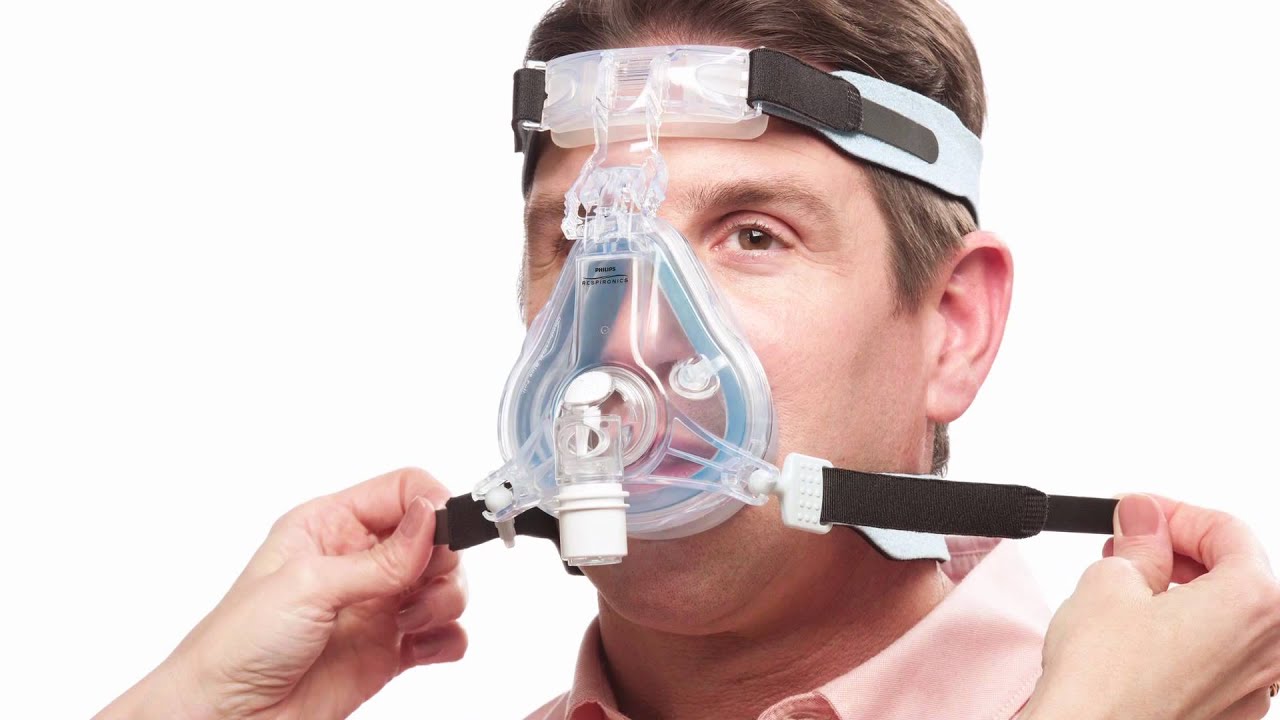
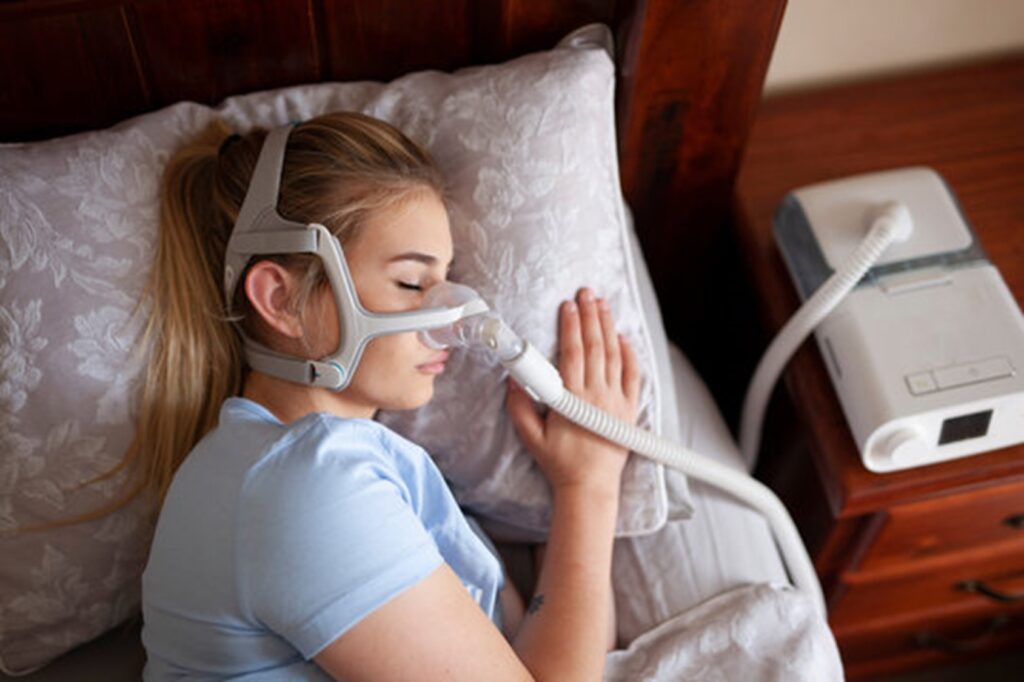
A good fit sits gently on the face without excessive strap tension, and it should not leak into the eyes or press hard on the bridge of the nose. They should be able to speak and breathe comfortably, and the mask should stay in place when they move their head.
Choosing an oxygen mask for home use safely includes a short trial while seated and then while walking a few steps, if they are steady. Any pressure points should be addressed early with sizing changes or alternative designs.
How can they prevent skin breakdown and pressure injuries?
They should inspect the nose bridge, cheeks, and behind the ears daily, especially in the first week of a new interface. Soft foam dressings or barrier products can help, but they should not block vents or alter how the mask seals.
When choosing an oxygen mask for home use safely, they should prioritise a mask that fits with minimal tension. If redness lasts more than 30 minutes after removal, they should report it to their provider and ask about alternatives.
What safety rules matter most around oxygen at home?
Oxygen increases fire risk because it accelerates combustion, even though it is not itself a fuel. They must keep oxygen away from smoking, open flames, gas cooktops, candles, fireplaces, and activities like spray painting or using solvents in enclosed spaces.
Choosing an oxygen mask for home use safely also means positioning tubing to reduce trip hazards, keeping equipment away from heat sources, and ensuring working smoke alarms. In Australia, they should follow their oxygen provider’s home safety checklist and signage guidance.
How should they clean and replace an oxygen mask?
They should follow the supplier’s instructions, but many reusable masks can be washed in warm soapy water, rinsed well, and air-dried away from direct sunlight. Moisture trapped in the mask can irritate skin and increase infection risk, so complete drying matters.
Choosing an oxygen mask for home use safely includes replacing it on the schedule recommended by the provider or sooner if it becomes stiff, cracked, cloudy, or difficult to clean. They should also replace tubing and connectors as advised.
How do they know the mask is delivering enough oxygen?
They should use symptoms and objective checks, especially if their clinician has recommended a pulse oximeter. The key is whether their oxygen saturation stays within the range specified in their plan at rest and with activity, not whether the flow number looks high.
Choosing an oxygen mask for home use safely means they should record readings only if instructed and bring them to appointments. If saturations are persistently outside the target range, they should contact their GP, respiratory nurse, or oxygen provider.
What problems should trigger urgent review?
They should seek urgent medical advice if there is severe breathlessness at rest, blue lips, chest pain, fainting, confusion, or unusual drowsiness. They should also act promptly if the equipment malfunctions, the cylinder empties unexpectedly, or the concentrator alarms.
Choosing an oxygen mask for home use safely includes having a clear escalation plan, including who to call after hours in their Australian state or territory. If symptoms are severe, they should call Triple Zero (000).
How do they choose a reputable supplier in Australia?
They should use an established Australian oxygen provider or medical equipment supplier that can verify compatibility with their concentrator or cylinder regulator. A reputable supplier will provide written instructions, fitting support, and replacement schedules, and they will encourage clinician involvement.
When choosing an oxygen mask for home use safely, they should avoid unverified marketplaces where product type and flow guidance are unclear. They should also confirm ongoing consumable availability so they are not stuck without replacements.
What questions should they ask their clinician or oxygen provider?
They should ask which mask type suits their diagnosis, what flow range is appropriate, and what their target oxygen saturation range is. They should also ask whether humidification is recommended, how often to clean and replace parts, and what to do if their saturations change.
Choosing an oxygen mask for home use safely becomes much easier when they have a written plan. They should request a simple one-page summary they can keep near the equipment.
What’s the safest step-by-step way to start using a new mask at home?
They should begin with the prescribed flow, sit upright, and breathe normally for several minutes while checking comfort and leaks. They should then confirm tubing connections are secure, vents are unobstructed, and the mask is not pressing into the eyes or nose bridge.
Choosing an oxygen mask for home use safely also means they should not change multiple variables at once. If they are switching mask type, they should keep the flow unchanged until a clinician advises otherwise.
How can they keep travel and power outages safe with home oxygen?
If they use an oxygen concentrator, they should ask about backup cylinders and what to do during power outages, which can occur during Australian storms and summer conditions. They should also plan for car travel, including securing cylinders and avoiding heat exposure.
Choosing an oxygen mask for home use safely includes packing spare masks or cannulas, extra tubing, and written prescriptions when travelling. They should confirm airline or interstate requirements well ahead of time if flying.
What are the biggest mistakes people make with oxygen masks at home?
Common mistakes include increasing flow without advice, using the wrong mask for the flow, blocking Venturi ports, overtightening straps, and cleaning inconsistently. Another frequent issue is using oxygen near ignition sources, especially “just for a moment” near a cooktop or while someone else is smoking nearby.
Choosing an oxygen mask for home use safely means they should treat small shortcuts as real risks. A well-fitted, correctly set interface used in a smoke-free environment prevents most avoidable problems.
What should they remember before buying or switching masks?
They should match the mask to the prescription, confirm the safe flow range, and get fitting support from an Australian oxygen provider. They should also prioritise comfort and skin protection so they can stick to therapy.
Choosing an oxygen mask for home use safely is ultimately about consistency and control. If anything changes, such as symptoms, saturations, or equipment, they should involve their healthcare team rather than improvising.
More to Read : How Does an Oxygen Machine Support Everyday Breathing at Home?