Breathing issues can turn simple routines into exhausting tasks, especially at home where people expect to feel most comfortable. An oxygen machine supports everyday breathing by delivering supplemental oxygen at a steady rate, helping maintain safer oxygen levels during rest, sleep, and gentle activity.
In Australia, many people use home oxygen under the guidance of their GP, respiratory physician, or hospital team. The aim is not to “cure” a lung condition, but to reduce strain on the body and make daily life feel more manageable.
How does an oxygen machine work in a typical Australian home setup?
Home oxygen machine (often called an oxygen concentrator) draws in room air, filters out nitrogen, and delivers oxygen-enriched air through tubing to the user. It plugs into a standard power point and is designed to run for long periods.
Most home setups are simple: the device sits in a ventilated spot, tubing runs to a chair or bed, and oxygen is delivered via nasal cannula. In many Australian homes, this becomes part of a routine, like charging a phone overnight.
Who usually needs an oxygen machine at home?
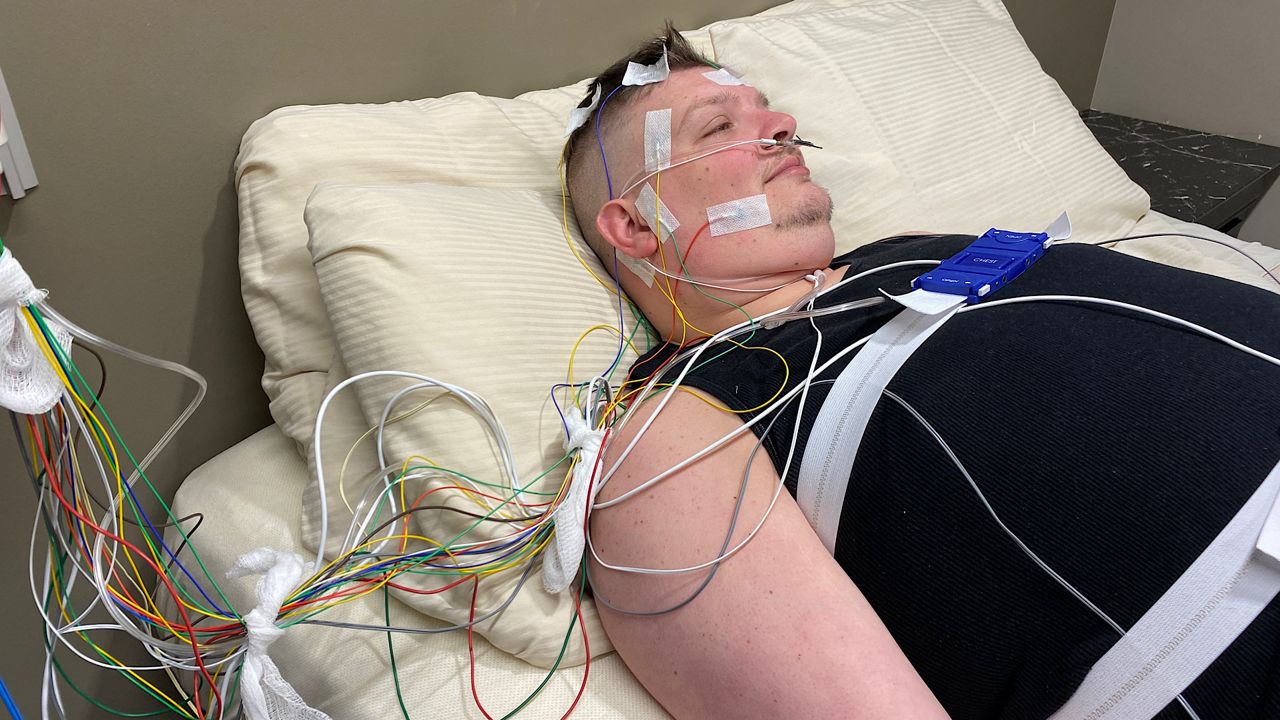
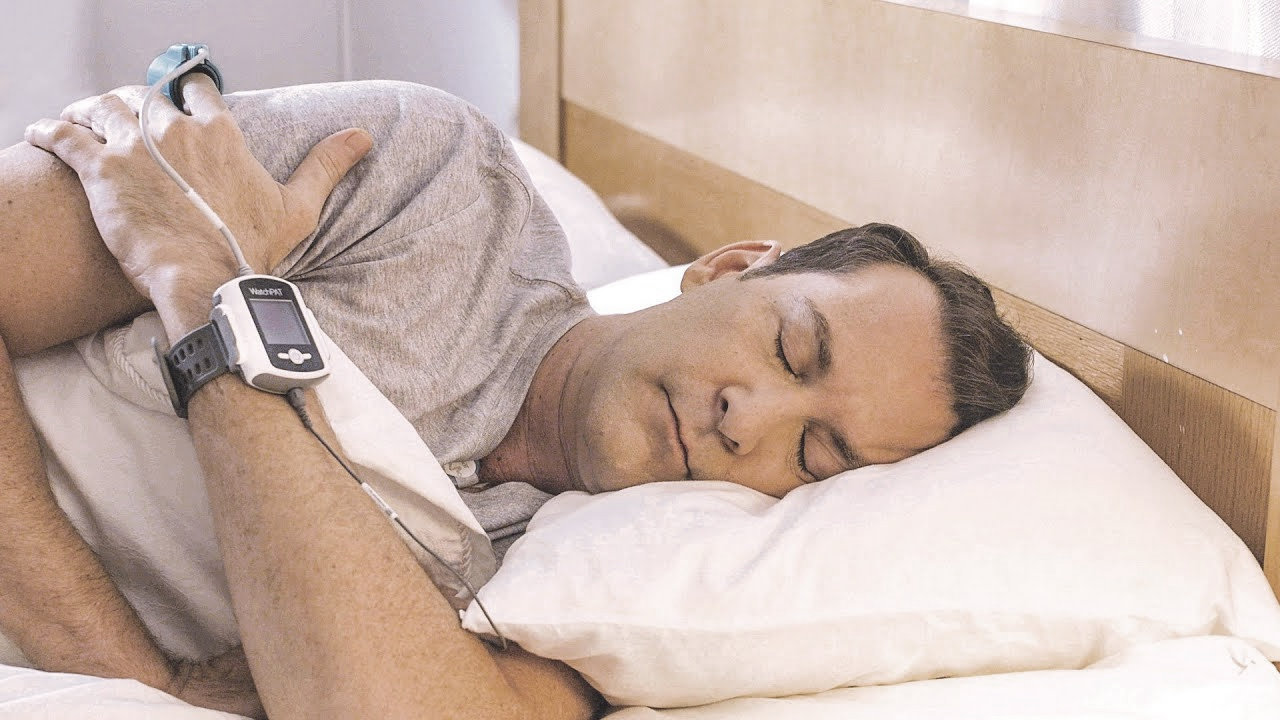
They typically need home oxygen when tests show their blood oxygen levels are consistently low. This is commonly assessed with pulse oximetry, arterial blood gases, and sometimes overnight monitoring arranged through Australian clinics and hospitals.
Common reasons include COPD, severe asthma complications, pulmonary fibrosis, bronchiectasis, and some heart conditions. For many, an oxygen machine is prescribed after a hospital admission or when symptoms progress despite other treatments.
When is an oxygen machine used during the day versus overnight?
They may use oxygen during the day if breathlessness limits basic tasks like showering, cooking, or walking around the house. Daytime use often supports short bursts of activity or longer periods of seated rest, depending on the prescription.
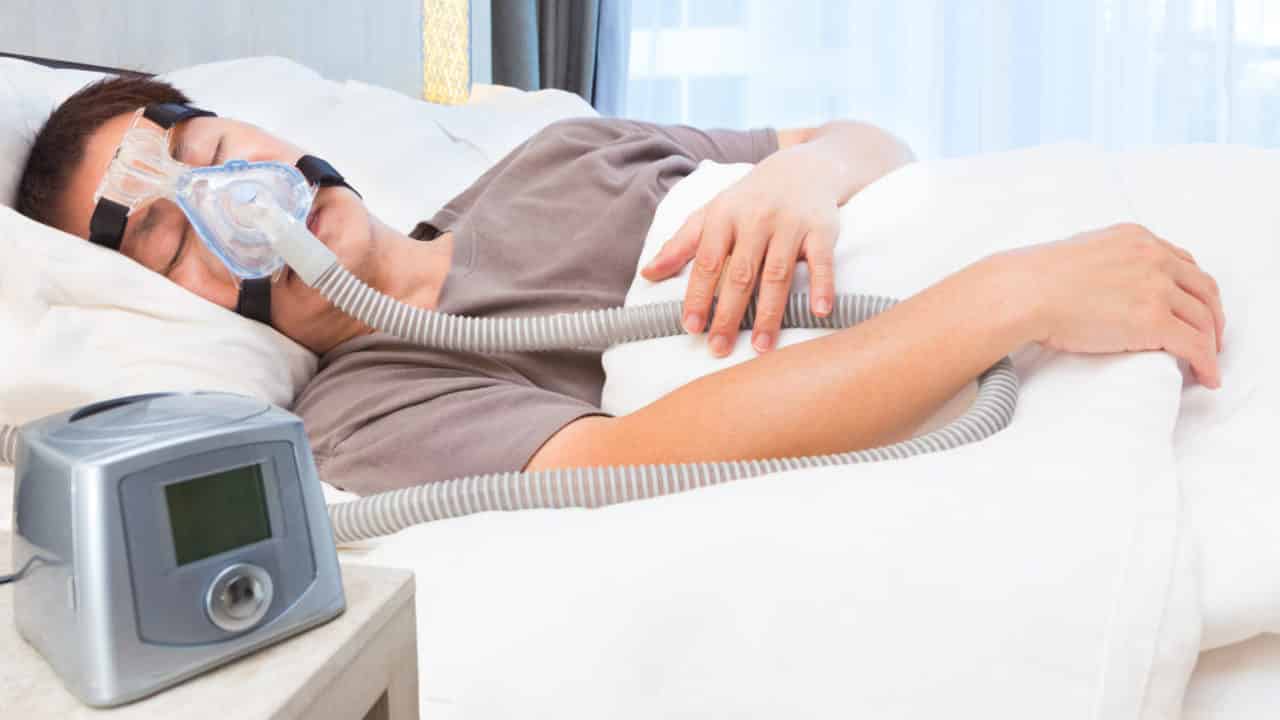
Overnight use is common when oxygen levels drop during sleep. In these cases, an oxygen machine helps prevent sustained low oxygen that can leave them fatigued, foggy, or headache-prone in the morning.
What does an oxygen machine actually help with day to day?
It helps by reducing the body’s workload when oxygen levels are low, which can ease symptoms tied to hypoxaemia. People often notice they can speak more comfortably, feel less “air hunger,” and recover faster after small efforts.
An oxygen machine can also support steadier sleep and less morning grogginess when overnight oxygen dips are part of the problem. The impact varies, but the goal is consistent: safer oxygenation during normal life at home.
How do they know the oxygen flow rate is right for them?
They do not guess the setting. Flow rates are prescribed by a clinician based on testing, often including resting and walking checks (such as a six-minute walk test) and sometimes overnight oximetry.
If they change the flow rate without advice, they risk under-treating low oxygen or causing other issues, particularly for some COPD patients. With an oxygen machine, the safest approach is to follow the written prescription and confirm changes with their care team.
What’s the difference between an oxygen machine and an oxygen cylinder?
An oxygen machine makes oxygen from room air, while a cylinder stores a finite amount of oxygen under pressure. Concentrators are typically used at home for long-duration needs, whereas cylinders are often used as backup or for short outings.
In Australian homes, concentrators are popular because they do not “run out” like a bottle does, as long as power is available. Many people still keep a cylinder for emergencies or planned portability.
Can an oxygen machine help them stay active at home?
Yes, within their safe limits. Supplemental oxygen can make light activity feel less overwhelming, which may help them maintain independence with everyday tasks like folding laundry, making meals, or moving between rooms.
Some use an oxygen machine while doing gentle exercises recommended by pulmonary rehabilitation programs available across Australia. The key is pacing, safe tubing management, and clinician guidance on when oxygen is needed during exertion.
What should they expect to feel when starting home oxygen?
They might feel relief quickly if low oxygen was a major driver of their symptoms, but not everyone feels dramatic change. Some notice improved stamina, better sleep, or fewer dizzy spells rather than a sudden “boost.”
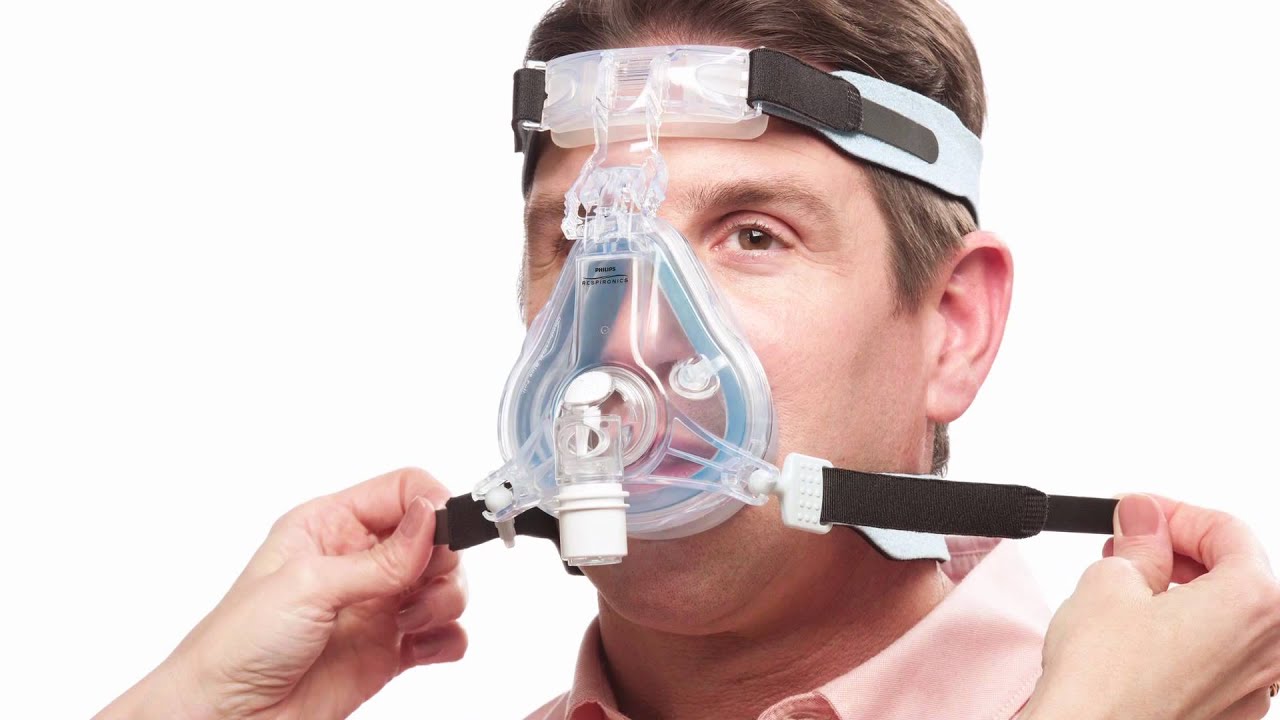
They may also need a short adjustment period to get used to tubing, cannulas, and the sound of the device. With an oxygen machine, comfort often improves with correct cannula sizing, humidification if prescribed, and careful skin care.
How is an oxygen machine set up safely in the home?
They should place it in an open, well-ventilated area with clear space around vents and filters. Power cords should be secured to reduce trip risk, and tubing should be routed along walls where possible.
Fire safety matters. In Australia, they should keep oxygen away from flames, smoking, gas cooktops, candles, and heaters. An oxygen machine increases fire risk in oxygen-enriched environments, so “no smoking” rules must be strict for everyone in the home.
What maintenance does an oxygen machine need to keep working properly?
Most units need routine filter checks and cleaning, plus scheduled servicing depending on the supplier. They should follow the manual and the provider’s instructions, since models vary across brands used in Australia.
They should also regularly check cannulas and tubing for kinks, cracks, or moisture build-up. Keeping the oxygen machine clean and unobstructed helps maintain stable flow and reduces avoidable faults.
What common mistakes can reduce the benefits of home oxygen?
A common issue is using oxygen inconsistently, such as taking it off too early during activity or skipping overnight use. Another is poor cannula positioning, which reduces delivery and leads to frustration.
They may also trip over tubing, place the device too close to walls, or ignore filter cleaning. With an oxygen machine, small setup errors can have outsized effects, so a brief home review by a provider or nurse can be valuable.
How do they manage dryness, irritation, or discomfort from oxygen?
Dry nose, sore ears, and facial irritation are common complaints. They can often reduce this by using soft cannula tubing, ear protectors, and water-based moisturisers approved for oxygen use.
Some are prescribed humidification, especially at higher flows. They should avoid petroleum-based products because of fire risk. If discomfort persists, their clinician or supplier can reassess the oxygen machine settings and accessories.
What happens during a power outage or device fault in Australia?
They should have a plan before it happens. Many Australian suppliers recommend a backup oxygen cylinder if oxygen is medically necessary, plus clear instructions on when to call for urgent help.
If the oxygen machine stops and they become breathless, confused, or blue around lips, they should follow their action plan and seek emergency help. For non-urgent faults, they can contact their oxygen provider’s support line for troubleshooting or replacement.
See Also : Choosing an Oxygen Mask for Home Use Safely
Can they travel around the house or outside with oxygen support?
Around the house, longer tubing can help, but they should balance reach with safety to reduce trips and tangles. Some people choose a second cannula or tubing set for different rooms.
For leaving home, a portable concentrator or cylinder may be used, depending on prescription and funding. A stationary oxygen machine is usually designed for home use, while portable options are built for errands, appointments, and short trips.
How do Australian prescriptions, reviews, and funding usually work?
They usually start with medical assessment and a formal prescription, often after specialist input. Reviews may be scheduled to confirm the oxygen level remains appropriate, especially if the condition changes.
Funding varies. Some may receive support through state-based schemes, hospital programs, DVA, or private arrangements, depending on eligibility and location. Because an oxygen machine is medical equipment, they should ask their clinician and supplier what applies in their state or territory.

What should they ask their clinician before using home oxygen?
They should ask when oxygen is needed (rest, exertion, sleep), the exact flow rate, and whether a target SpO₂ range applies. They should also ask about safety rules for cooking, heating, and visitors who smoke.
It helps to confirm follow-up timing and what symptoms signal that oxygen needs review. When an oxygen machine is used with a clear plan, the day-to-day routine tends to feel simpler and safer.
How can they make an oxygen machine feel less intrusive at home?
They can treat it like any other home health tool: set a consistent spot, organise cords and tubing, and build it into routines such as morning seating breaks or bedtime preparation. Small changes, like a bedside hook for cannulas, can reduce annoyance.
They can also normalise it for visitors by explaining quick safety rules. For many households, an oxygen machine becomes background noise once the setup is tidy and the benefits are clear.
What’s the main takeaway for everyday breathing at home?
An oxygen machine supports everyday breathing at home by providing prescribed supplemental oxygen that helps protect the body from low oxygen levels. Used correctly, it can make rest, sleep, and gentle activity feel more achievable.
They get the best results when they follow the prescription, keep the setup safe, and schedule regular reviews with their Australian healthcare team.
Other Resources : Home oxygen therapy factsheet