Deciding when it is time for cataract surgery is usually less about a date on the calendar and more about day to day function. In Australia, many people choose surgery when vision problems start affecting safety, independence, or quality of life.
A GP or optometrist can spot cataract changes early, but an ophthalmologist confirms the diagnosis and advises whether surgery is appropriate now or later.
Is blurry vision starting to affect everyday tasks?
For many people, the clearest sign when it is time for cataract surgery sydney is when routine tasks become harder, even with updated glasses. They might notice trouble reading, recognising faces, watching TV, or using a phone.
If they are increasing screen brightness, holding books further away, or avoiding certain activities, it suggests the cataract is starting to interfere with normal life.
Are glasses or contact lens updates no longer helping?
A common clue when it is time for cataract surgery is when refraction changes keep happening and new prescriptions do not provide the expected improvement. They may feel like their glasses are “never quite right”.
In Australia, an optometrist can test whether reduced vision is mainly from cataracts rather than a correctable prescription issue, then refer them to an ophthalmologist if needed.
Is driving becoming unsafe, especially at night?
Many people decide when it is time for cataract surgery after noticing glare, halos around headlights, or difficulty seeing road markings at dusk. Night driving can become stressful or unsafe, particularly in rain or on poorly lit suburban and regional roads.
If they are avoiding night driving, needing much more time to adjust to darkness, or feeling uncertain in traffic, it is worth getting a cataract assessment.
Are they experiencing disabling glare or light sensitivity?
Glare can be one of the earliest symptoms that signals when it is time for cataract surgery. Bright Australian sun, beach reflections, and oncoming headlights can cause squinting, discomfort, or a washed out view.
If they are constantly changing sunglasses, closing blinds, or feeling “blinded” when stepping outside, cataracts may be scattering light inside the eye in a way glasses cannot fix.

Are colours looking dull or yellowed?
A subtle but telling sign when it is time for cataract surgery is when colours lose their sharpness. Whites may look cream, blues may seem muted, and overall contrast can drop.
They might only notice it when comparing eyes side by side or after seeing a photo that looks less vibrant than expected. This change can affect driving, hobbies, and enjoyment of everyday scenes.
Are they struggling at work or with study?
For someone working on screens, reading documents, or doing detailed tasks, it can become obvious when it is time for cataract surgery. They may make more mistakes, take longer to complete tasks, or get headaches from visual strain.
In Australian workplaces, this can matter for trades, healthcare, professional driving, and office based roles. If vision is holding them back, it is reasonable to discuss surgery timing sooner rather than later.
Is there a higher risk of falls or reduced confidence at home?
Another practical marker when it is time for cataract surgery is reduced contrast sensitivity. Steps, edges of rugs, and uneven paths can be harder to judge, especially in dim lighting.
If they feel less steady on stairs, avoid walking at dusk, or have had near misses around the house, improving vision can be a key safety step, particularly for older Australians.
Is cataract affecting other eye care or health monitoring?
Sometimes when it is time for cataract surgery has less to do with symptoms and more to do with clinical access. If cataracts prevent clear views of the retina or optic nerve, it can make it harder to monitor glaucoma, diabetic eye disease, or macular conditions.
In these cases, an ophthalmologist may recommend surgery to support ongoing eye health management, even if day to day blur is only moderate.
Are there other conditions that change the timing?
Yes, and this can shape when it is time for cataract surgery. People with diabetes, previous eye surgery, high myopia, or certain retinal problems may need more tailored planning.
An Australian ophthalmologist will weigh cataract severity, eye measurements, the health of the cornea and retina, and the likely visual benefit before advising the best timing and lens choice.
What tests confirm cataracts and readiness for surgery?
To decide when it is time for cataract surgery, an ophthalmologist typically checks visual acuity, glare sensitivity, and performs a slit lamp exam to grade the cataract. They also measure the eye for intraocular lens calculations.
They may dilate the pupils to assess the retina, and sometimes order scans such as OCT if macular disease is suspected. These results help confirm that cataract is the main cause of symptoms.
Do they need to wait until the cataract is “mature”?
No. A persistent myth is that people should delay until the cataract is advanced, but in modern practice that is not required. For many Australians, when it is time for cataract surgery is when vision is impacting function, not when the cataract reaches a certain stage.
Waiting too long can sometimes make surgery more complex, and it can prolong avoidable limitations in daily life.
How do Australian driving standards influence the decision?
In Australia, driver licensing vision requirements vary by state and individual circumstances, but reduced clarity, glare, and contrast can still be a real-world safety issue even before someone formally fails a chart test. For some, when it is time for cataract surgery is when they no longer feel confident behind the wheel.
If they drive for work or rely on driving for independence, it is sensible to raise symptoms early with an optometrist or ophthalmologist.
What should they expect from cataract surgery outcomes?
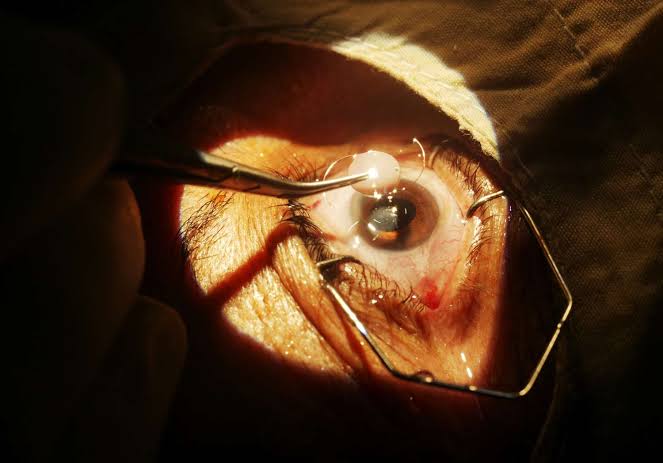
Cataract surgery usually replaces the cloudy lens with a clear artificial lens, often improving sharpness, contrast, and colour. For many people, when it is time for cataract surgery becomes clear once they understand the likely improvement in daily function.
Outcomes depend on overall eye health. If macular degeneration, glaucoma, or diabetic changes are present, surgery can still help, but the final vision may be limited by those conditions.
What are the costs and access pathways in Australia?
In Australia, cataract surgery may be done through the public system or privately. For those weighing when it is time for cataract surgery, waiting times can influence the choice, especially if vision is limiting work or driving.
Medicare rebates apply for eligible services, but out of pocket costs vary, particularly with private hospital fees and premium lens options. A clinic should provide a clear cost estimate before booking.
When should they seek urgent assessment?
Most cataracts progress slowly, but sudden vision loss, eye pain, flashes, a curtain like shadow, or a rapid increase in floaters needs urgent review. These symptoms are not typical signs of cataract progression and may indicate retinal or other serious problems.
If they are uncertain whether symptoms fit cataracts, an Australian optometrist can often assess quickly and refer urgently if needed.
How can they decide if now is the right time?
A practical way to judge when it is time for cataract surgery is to list the top five activities they avoid or struggle with because of vision. If the list is growing, if safety is affected, or if independence is shrinking, it is usually time to discuss surgery seriously.
If symptoms are mild and stable, monitoring with regular eye checks may be appropriate, but they should not feel they have to “put up with it” for years.
What is the next step if they suspect cataracts?
They can start with an eye test at an Australian optometrist, especially if it has been more than one to two years since their last check. If cataracts are suspected, a referral to an ophthalmologist can confirm when it is time for cataract surgery and explain options.
With the right timing and a clear plan, cataract surgery is often one of the most effective ways to restore comfortable, confident vision.
In Australia, the decision for cataract surgery is usually based on how vision problems affect daily function, safety, independence, or quality of life rather than a specific date. Surgery is often chosen when routine tasks become harder despite updated glasses.
Signs include blurry vision affecting everyday tasks like reading or recognizing faces, frequent changes in glasses prescriptions that don’t improve vision, difficulty driving especially at night due to glare or halos, disabling glare or light sensitivity, dull or yellowed colours, and reduced confidence leading to falls at home.
While vision requirements for driver licensing vary by state, reduced clarity, glare, and contrast sensitivity can impact real-world driving safety before failing a chart test. Many Australians consider surgery when they no longer feel confident driving, especially if driving is essential for work or independence.
No. Modern practice does not require waiting until a cataract is advanced. Surgery is recommended when vision starts impacting daily function. Delaying too long can make surgery more complex and prolong avoidable limitations in life.
An ophthalmologist will assess visual acuity and glare sensitivity, perform a slit lamp exam to grade the cataract, measure the eye for intraocular lens calculations, dilate pupils to examine the retina, and may order scans like OCT if macular disease is suspected. These help confirm that cataracts are causing symptoms and determine surgical readiness.
Yes. Conditions such as diabetes, previous eye surgeries, high myopia, or retinal problems require tailored planning. An ophthalmologist considers cataract severity along with cornea and retina health to advise optimal timing and lens choice for surgery.