Starting CPAP therapy can feel like a lot, especially when every box looks similar and the jargon gets technical fast. For most people, the best CPAP machine for new users is the one that feels comfortable from night one, is easy to adjust at home, and makes it simple to stay consistent.
The right pick usually comes down to comfort features, noise, humidification, mask fit support, and smart tools that help them troubleshoot early issues without guesswork.
What should new users prioritise first in a CPAP machine?
They should prioritise comfort and simplicity before advanced extras. For most beginners, the best CPAP machine for new users is one they can tolerate every night, not the one with the longest spec sheet.
A beginner-friendly model typically offers auto-adjusting pressure, gentle ramp settings, clear menus, and easy cleaning. If it also supports heated humidification and quiet operation, they are far more likely to stick with therapy through the first few weeks.
Why is auto-adjusting pressure (APAP) often better for beginners?
Auto-adjusting pressure helps reduce the “too much air” feeling that can put people off early. In many cases, the top cpap machine for new users is an APAP because it responds to their needs through the night rather than holding one fixed setting.
In Australia, many new users start on APAP when their clinician wants flexibility during the settling-in phase. It can also handle positional changes, nasal congestion, and different sleep stages without forcing them to manually change settings.
How important is a ramp feature for first-time CPAP users?
A ramp feature is one of the simplest ways to make CPAP feel less confronting. For many people, the best CPAP machine for new users includes an adjustable ramp that starts lower and gradually increases to therapeutic pressure.
Some machines offer auto ramp, which waits until they fall asleep before increasing pressure. This can help people who feel anxious when they first put the mask on, or those who struggle to exhale comfortably at the beginning of the night.
What is expiratory pressure relief, and why does it matter?
Expiratory pressure relief reduces pressure slightly when they breathe out, which can make breathing feel more natural. For a beginner, the best CPAP machine for new users often includes this because it improves comfort without changing treatment effectiveness for many common settings.
People who describe CPAP as “pushing back” are often reacting to exhalation resistance. Pressure relief can reduce that sensation, especially during the first fortnight when they are still adapting to sleeping with a mask and airflow.
How does humidification affect comfort in Australian conditions?
Humidification can be the difference between “can’t stand it” and “slept through.” In dry regions and during winter heating, the best CPAP machine for new users typically includes a humidifier to reduce dryness in the nose, throat, and mouth.
Across Australia, indoor air can be surprisingly dry, especially with split systems running overnight. A heated humidifier, and ideally a heated tube, can also reduce rainout, which is when condensation builds up and causes gurgling or water splashes.
Should new users look for a heated tube?
A heated tube is often a practical comfort upgrade, not a luxury. For many households, the best CPAP machine for new users includes climate control with a heated tube to stabilise humidity and temperature.
This feature can help when bedrooms get cold overnight, which is common in parts of Victoria, Tasmania, the ACT, and inland NSW. It also reduces condensation and keeps the airflow feeling smoother, which can help them avoid waking up annoyed by noise or water in the hose.
How quiet should a CPAP machine be for a shared bedroom?
Noise matters more than people expect, especially if they have a partner. The best CPAP machine for new users should be quiet enough that it fades into the background, with stable airflow and minimal motor whine.
They should also consider mask noise, which often contributes more than the machine itself. A well-fitted mask and a machine with gentle pressure transitions can reduce “air hiss” that annoys light sleepers in the same room.
What role does mask fit support play in early success?
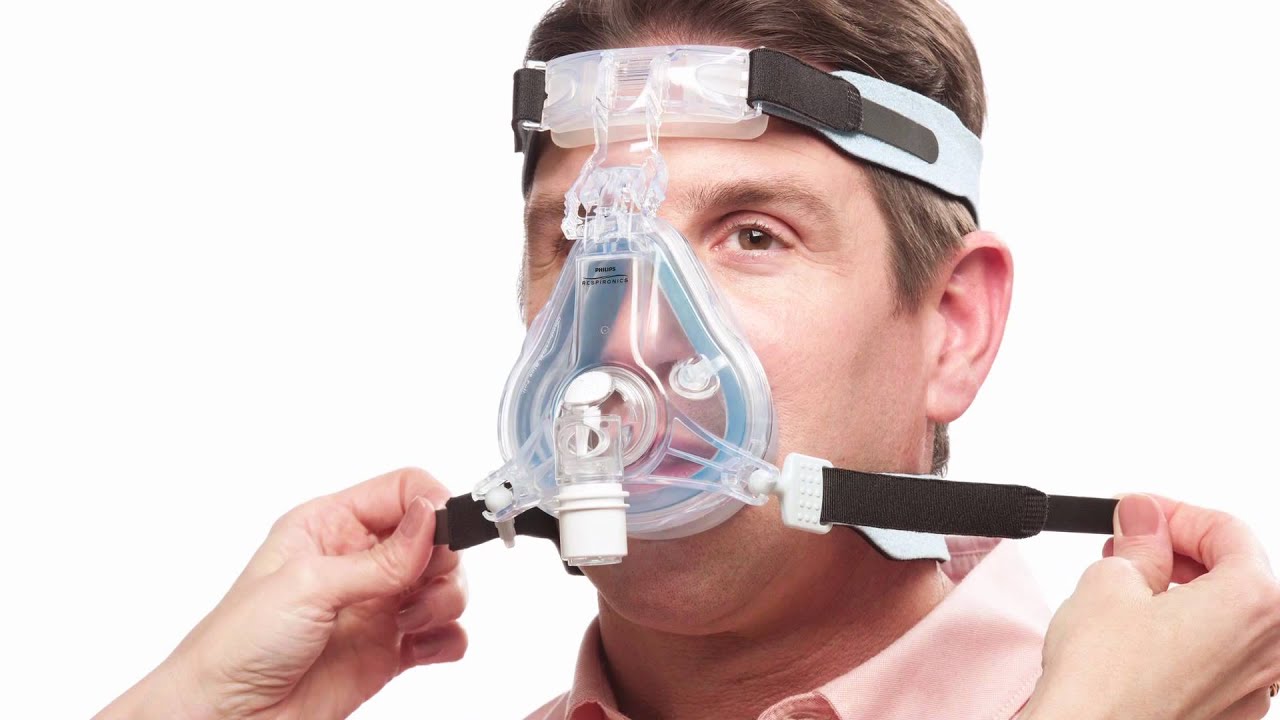
Mask fit is often the make-or-break factor in the first month. The best CPAP machine for new users is usually one that offers a fit check feature, leak alerts, and simple troubleshooting prompts.
In Australia, many suppliers offer mask trials or swap periods, which can be crucial because face shape, facial hair, and sleep position all change what works. A machine that clearly shows leak data helps them and their clinician fix issues quickly, before frustration sets in.
What leak management features should beginners look for?
They should look for clear leak reporting and stable pressure delivery during minor leaks. The best CPAP machine for new users will flag significant leaks in plain language and make it easy to see whether the mask is the problem.
Leak compensation can help maintain therapy when the mask shifts, but it cannot replace correct sizing and adjustment. If they wake with dry mouth or noisy airflow, leak data can point them to a chin strap, a different cushion size, or a move from nasal to full-face.
How useful are automatic start and stop features?
Auto start and stop can make CPAP feel less fiddly. For many beginners, the best CPAP machine for new users includes these features so they do not need to hunt for buttons in the dark.
Auto on starts airflow when they breathe into the mask. Auto off stops airflow when they remove the mask. This can reduce nightly friction, especially for people who wake to use the bathroom and want a quick return to sleep.
What makes a CPAP machine easy to use night after night?
Ease of use usually means simple menus, clear icons, and minimal steps to refill water or adjust comfort settings. In most homes, the best CPAP machine for new users is the one they can operate half-asleep without feeling like they need a manual.
They should look for a stable, easy-to-remove water chamber, a swivel hose connection, and filters that are straightforward to replace. If cleaning feels complicated, they are more likely to skip it, which can affect comfort and hygiene.
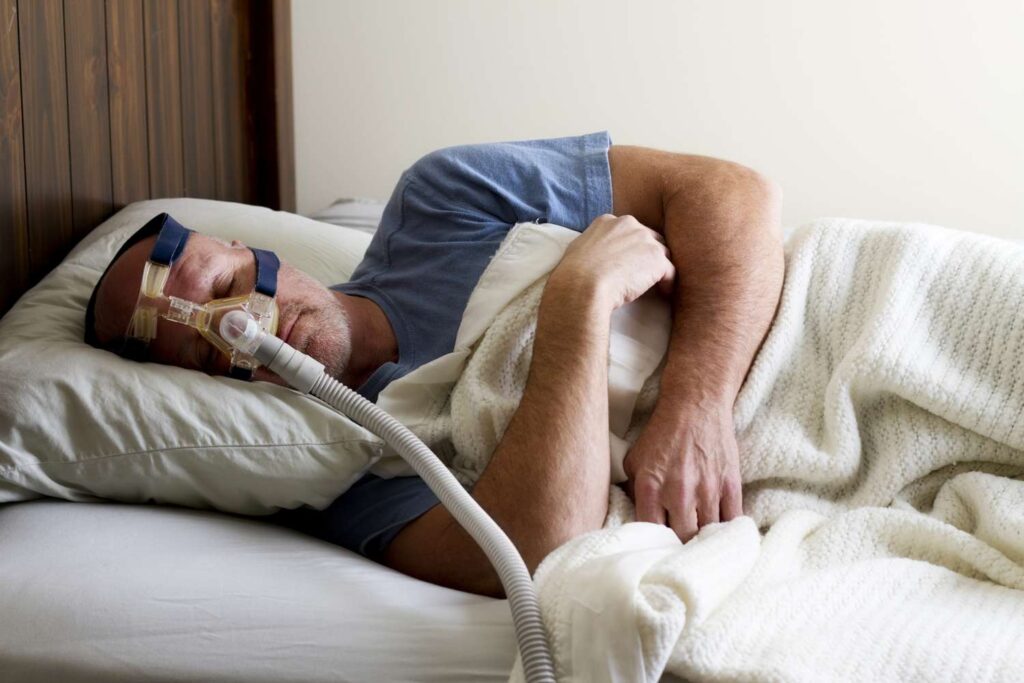
Do new users really need an app and data tracking?
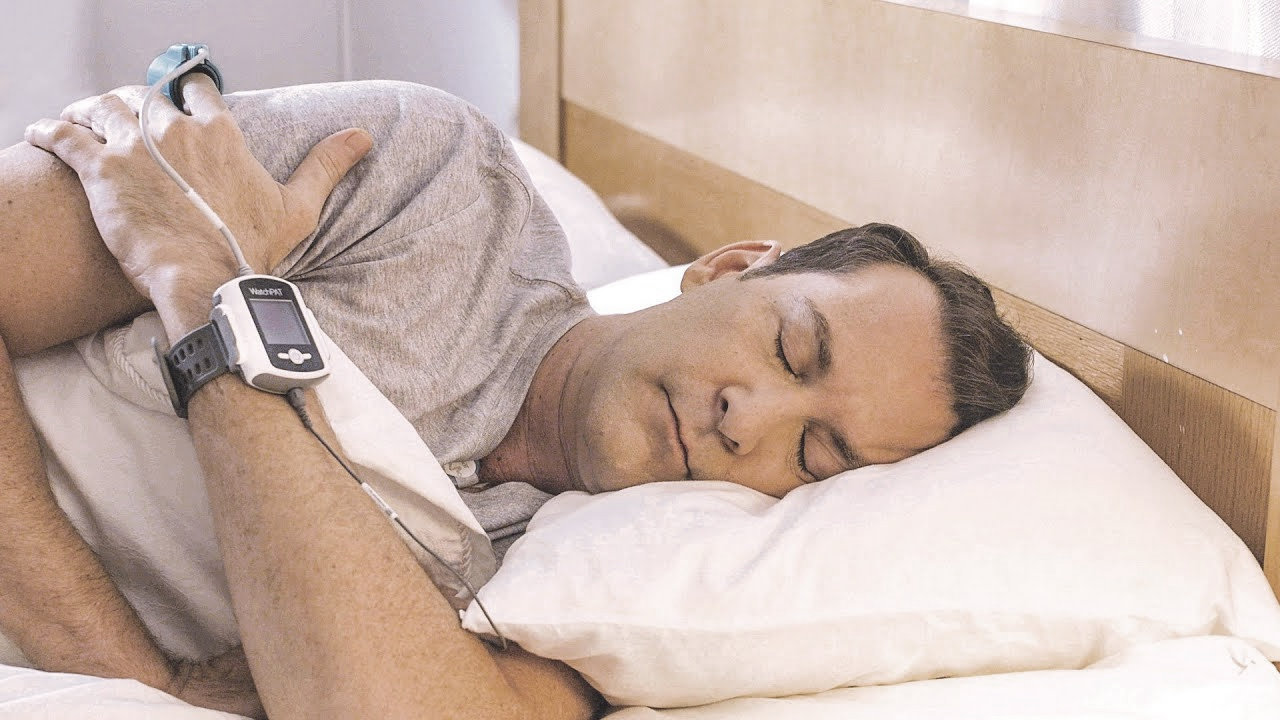
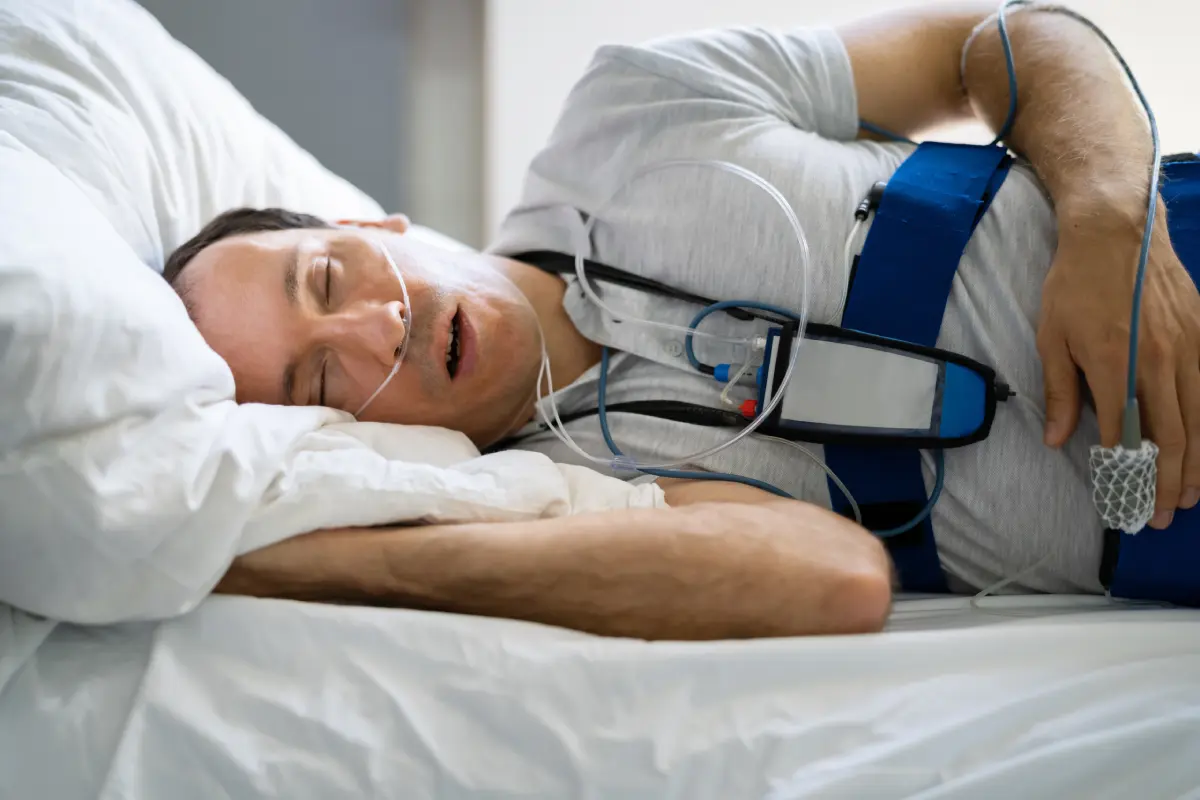
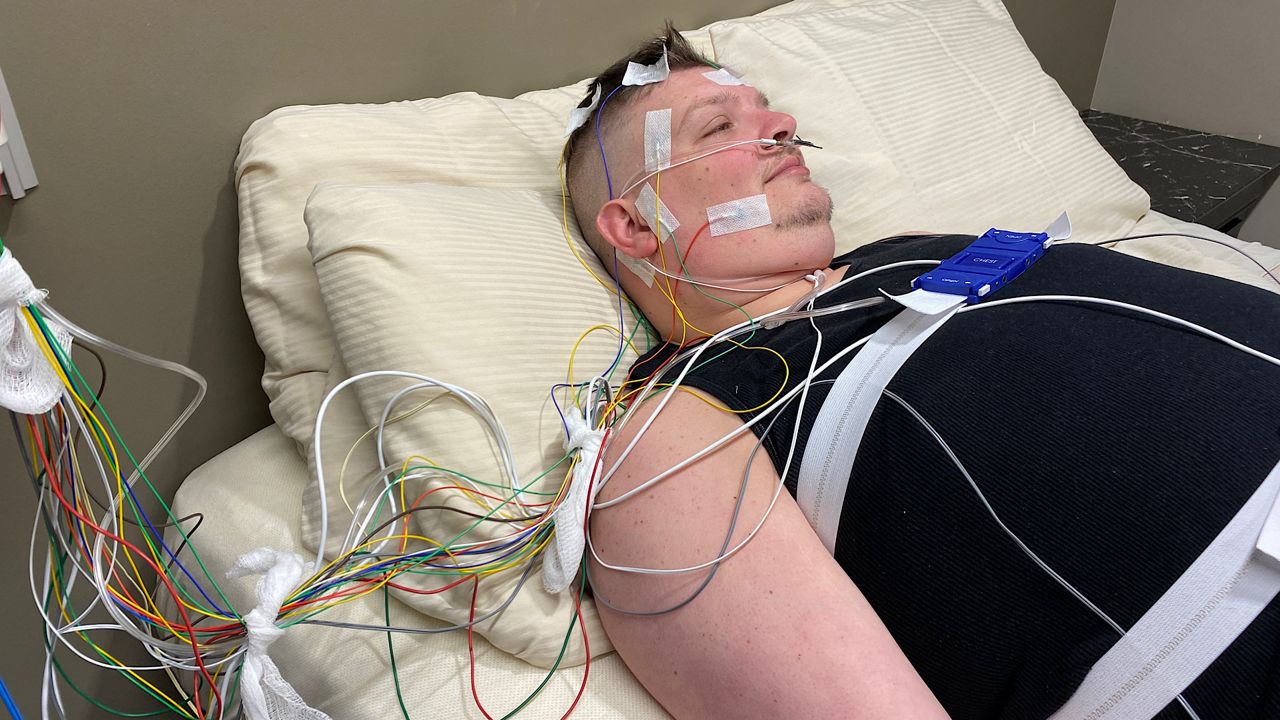
Many do, because early feedback helps build confidence and consistency. The best CPAP machine for new users often includes an app that shows hours used, mask seal, and AHI in an understandable way.
Data can also reduce anxiety when they feel tired in week one and assume CPAP “isn’t working.” Seeing trends helps them and their clinician adjust settings or mask type. In Australia, some providers also use remote monitoring for follow-up.
Which data points matter most for beginners?
They should focus on usage hours, mask seal or leak rate, and AHI trends. The best CPAP machine for new users will present these metrics clearly and avoid overwhelming them with graphs they cannot interpret.
If AHI is controlled but they still feel unrefreshed, it may point to sleep debt, mask comfort, or other factors like insomnia. If leak is high, the first step is almost always mask fit or switching mask style, not chasing pressure changes.
Other Resources : Australian Household Index — Cost of Living Score
How important is portability for new users in Australia?
Portability matters if they travel for work, visit family, or camp. For many Australians, the best CPAP machine for new users is compact enough to pack easily and robust enough to handle regular movement.
They should check whether the machine has a travel mode, a sturdy carry case, and an optional DC adapter for caravans or road trips. Frequent flyers should also consider weight, as well as how easy it is to empty and dry the humidifier before packing.
What power and backup options should beginners consider?
They should consider how they will use CPAP during outages or travel. The best CPAP machine for new users is one with clear compatibility for DC power and widely available accessories in Australia.
People in regional areas can experience storms and outages, so having a plan helps. Some use a compatible battery pack, while others rely on a generator or caravan power. They should also confirm whether heated humidification can run on backup power, as it can drain batteries faster.
How should new users think about comfort versus clinical effectiveness?
They should not treat it as a trade-off, because comfort drives adherence, and adherence drives results. The best CPAP machine for new users is clinically capable while still being pleasant enough to use consistently.
Features like pressure relief and humidification do not usually reduce therapeutic benefit when set correctly. If they are uncomfortable, they will remove the mask during the night, which reduces effective therapy time even if the machine is technically “powerful.”
What maintenance features make a CPAP easier to keep clean?
They should look for parts that come apart easily and reassemble without leaks. The best CPAP machine for new users typically has a water chamber that opens smoothly, a simple filter door, and components that can be rinsed without fiddly seals.
If cleaning feels annoying, people often delay it, then wonder why they notice smells, irritation, or congestion. A straightforward weekly routine, plus easily sourced replacement filters and cushions in Australia, supports long-term comfort.
How do Australian buyers choose the right supplier and support?
They should choose a supplier that offers fitting support, clear returns policies, and local warranty handling. The best CPAP machine for new users can still fail if they cannot get help when problems show up in week one.
In Australia, many reputable providers offer education sessions, mask trials, and follow-ups. They should confirm what support is included, whether telehealth help is available, and how quickly they can get replacement parts shipped.
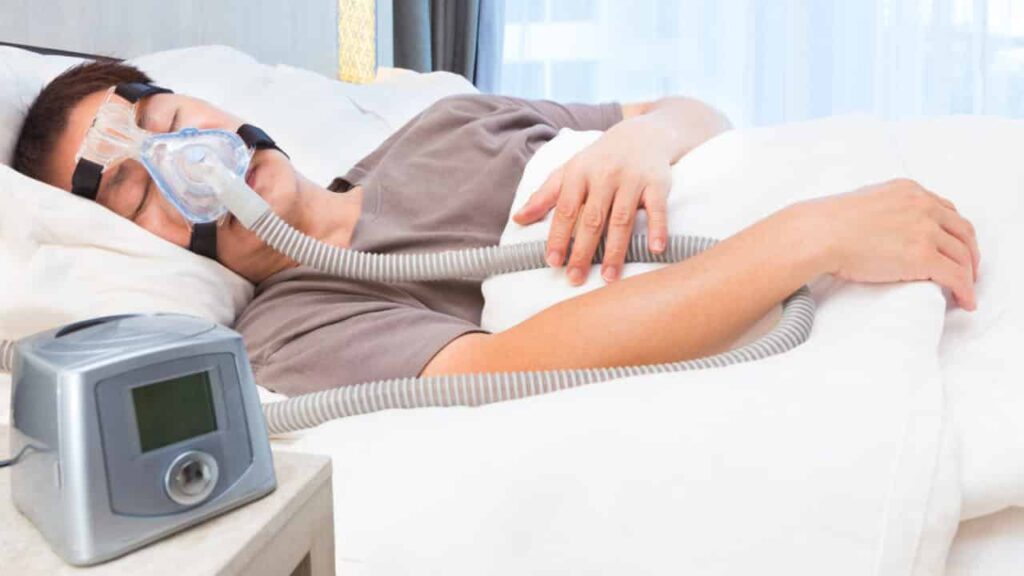
What questions should they ask before buying their first CPAP?
They should ask practical questions that reduce surprises after night one. The best CPAP machine for new users is easier to identify when they know what matters for their sleep style and home setup.
They can ask:
- Is this CPAP fixed or auto-adjusting?
- Does it include humidification and a heated tube option?
- What masks are compatible, and is there a trial or swap period?
- How loud is it in real use, including mask noise?
- What app or reporting is included for tracking progress in Australia?
What features define the best CPAP machine for new users overall?
Overall, it is defined by comfort-first features that remove friction and support consistency. For most people, the best CPAP machine for new users includes APAP capability, ramp, expiratory pressure relief, humidification, quiet operation, and clear leak feedback.
If it also offers simple cleaning, helpful app reporting, and strong local Australian support, they are far more likely to adapt quickly and keep using therapy long enough to feel the real benefits.
More to Read : How CPAP Machines Help Manage Sleep Apnoea Symptoms Overnight